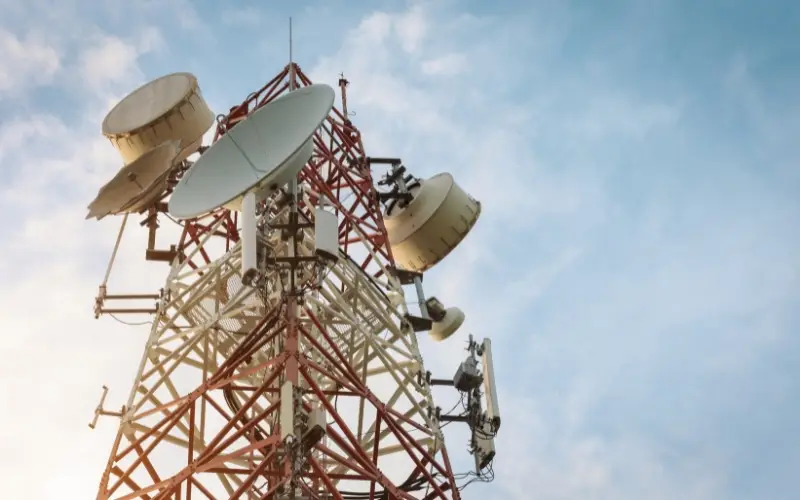
The Role of Telecom in Bridging the Digital Divide
In today’s fast-paced world, the internet has become an essential part of everyday life. From education to healthcare, banking, and entertainment, the digital realm touches almost every aspect of society. However, not everyone has equal access to this vital resource, creating a significant gap in digital accessibility. This divide, often referred to as the digital divide, separates communities based on geography, income, and education. The role of telecommunications (telecom) in bridging this gap has never been more critical. This article explores how the telecom industry is working to narrow the digital divide and provide equitable access to all.
Understanding the Digital Divide
What is the Digital Divide?
The digital divide refers to the disparity between individuals, households, businesses, and geographic areas regarding access to information and communication technology (ICT). This divide can occur on multiple levels, including:
- Internet Access: Not everyone has access to the internet, particularly in rural and underdeveloped areas.
- Digital Literacy: Many people lack the skills necessary to effectively use the internet and digital devices.
- Affordability: High costs of internet services and devices make them inaccessible to low-income populations.
Bridging this divide is essential to ensuring equal opportunities for everyone, regardless of their location or socio-economic background.
The Global Challenge
While urban areas in developed countries often enjoy high-speed internet, rural and remote regions face significant challenges in accessing reliable digital services. In developing nations, the problem is even more pronounced, with limited infrastructure and high costs for both devices and internet connectivity.
The Role of Telecom in Bridging the Divide
Expanding Network Infrastructure
One of the most direct ways telecom companies contribute to reducing the digital divide is by expanding network infrastructure. By building more robust and widespread telecom networks, these companies can bring high-speed internet to underserved and remote areas.
Fiber-Optic Networks
Fiber-optic networks offer high-speed, reliable internet and have become a cornerstone in modern telecom infrastructure. Telecom companies are investing in fiber-optic cables to extend connectivity into rural regions, helping to bridge the gap between urban and rural internet access. Fiber-optic technology is capable of supporting faster data transmission, making it ideal for supporting future digital needs.
Mobile Networks and 5G
In areas where fiber installation is impractical or too expensive, mobile networks offer a solution. Telecom companies are increasingly turning to 5G technology, which promises faster speeds and more reliable connections. By rolling out 5G networks, telecom providers can offer high-speed internet to regions that previously had limited or no connectivity.
Affordable Internet Solutions
The cost of internet services is another major barrier to bridging the digital divide. Telecom companies are responding by developing affordable internet solutions for low-income communities. This includes offering discounted rates, data bundles, and special plans tailored to the needs of underserved populations.
Government and Telecom Partnerships
Governments worldwide are partnering with telecom providers to subsidize the cost of internet services in rural and low-income areas. Through initiatives such as universal service funds, these partnerships help to make internet access more affordable and accessible for marginalized communities.
Digital Literacy and Education
Beyond providing infrastructure and affordability, telecom companies play a key role in promoting digital literacy. Without the necessary skills, even individuals with access to the internet cannot fully benefit from it. Telecom companies are addressing this issue through a variety of educational initiatives.
Training Programs
Many telecom providers are launching digital literacy programs aimed at teaching individuals how to use the internet, mobile devices, and other digital technologies. These programs often target specific groups, such as the elderly, students, and low-income families, to ensure they gain the skills needed to thrive in a digital society.
Supporting Online Education
With the rise of online learning platforms, telecom companies are supporting education by ensuring that schools and students have the connectivity required for digital learning. This support extends to providing internet services to schools, remote areas, and underserved populations, enabling access to quality education regardless of location.
Telecom’s Impact on Healthcare Access
Telemedicine and Remote Health Services
Telecom plays a vital role in bridging the digital divide in the healthcare sector. With limited access to healthcare facilities in rural areas, telecom-driven telemedicine has become an essential tool for providing remote consultations, diagnostics, and treatment. Telecom companies provide the necessary infrastructure to enable these services, connecting patients in rural areas with healthcare professionals in urban centers.
Telehealth Initiatives
Telemedicine services are expanding rapidly as telecom companies partner with healthcare providers to offer remote consultations and virtual doctor visits. This innovation has allowed people in underserved areas to access medical advice, prescriptions, and even mental health services, all from the comfort of their homes.
The Future of Telecom and the Digital Divide
The Promise of Satellite Internet
Satellite internet is another exciting development in the telecom industry that promises to revolutionize access for remote communities. Companies like SpaceX’s Starlink are working to bring high-speed satellite internet to rural and underserved areas. This innovation offers a new way of connecting people, especially in regions where traditional infrastructure is too expensive or difficult to install.
Community-Based Solutions
As telecom companies look toward the future, they are also focusing on community-driven solutions. By collaborating with local governments and organizations, telecom providers can design customized solutions that meet the unique needs of underserved communities. This could include community internet hubs, shared devices, and local tech support to help bridge the digital gap at the grassroots level.
Conclusion
Telecom companies are crucial players in bridging the digital divide and ensuring that everyone has access to the opportunities the digital world offers. From expanding network infrastructure and offering affordable services to promoting digital literacy and supporting telemedicine, telecom providers are working tirelessly to reduce inequalities in internet access. As new technologies, such as 5G and satellite internet, continue to emerge, the future looks promising for narrowing the digital divide and fostering a more inclusive digital society.
By continuing to innovate and collaborate with governments and local communities, telecom companies will remain at the forefront of efforts to connect the world and provide equal access to the digital landscape.
Frequently Asked Questions
What is the digital divide?
The digital divide refers to the gap between individuals or communities with access to information and communication technology (ICT) and those without it. This divide can be influenced by factors such as geography, income, and education, leading to unequal opportunities for accessing digital resources.
How does telecom help in bridging the digital divide?
Telecom companies bridge the digital divide by expanding network infrastructure, such as fiber-optic and mobile networks, to underserved and remote areas. They also offer affordable internet solutions and partner with governments to make internet services more accessible.
What role does digital literacy play in bridging the digital divide?
Digital literacy is essential for individuals to effectively use the internet and digital devices. Telecom companies are promoting digital literacy through training programs targeted at specific groups, such as the elderly and low-income families, helping people gain the necessary skills to thrive in the digital world.
How has telecom impacted healthcare access?
Telecom has played a significant role in improving healthcare access through telemedicine and remote health services. By providing the necessary infrastructure, telecom companies enable rural communities to access medical consultations, diagnostics, and treatments remotely, bridging the gap in healthcare accessibility.
What is the future of telecom in addressing the digital divide?
The future of telecom in addressing the digital divide includes innovations such as satellite internet, with companies like SpaceX’s Starlink working to bring high-speed internet to remote areas. Telecom companies are also focusing on community-based solutions, collaborating with local governments to tailor services to the unique needs of underserved communities.












Post Comment