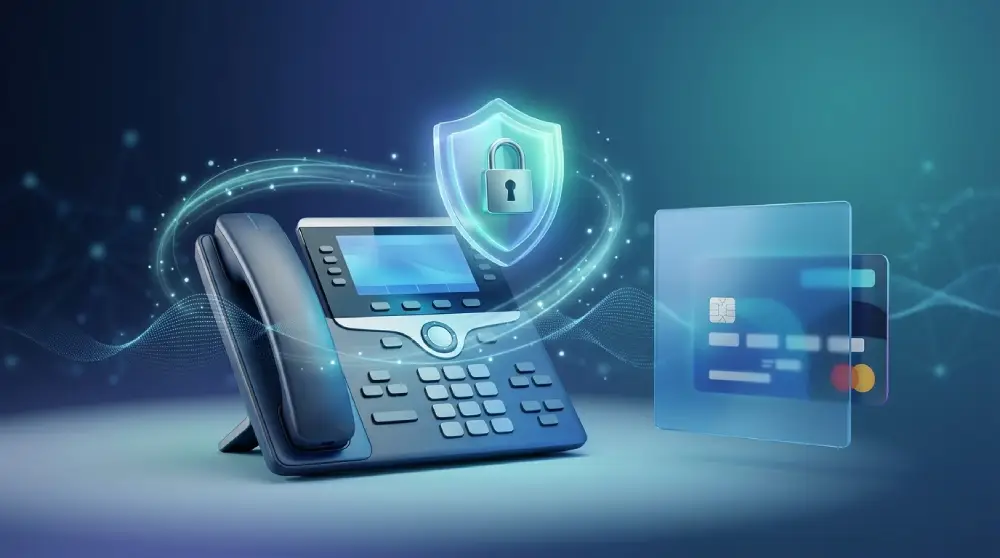
PCI Compliant Phone Systems: A Practical Guide for Secure Payments
Taking card payments over the phone is still common in many industries. It is also one of the easiest ways to put sensitive data at risk. PCI compliant phone systems help businesses accept payments by voice while keeping cardholder data protected at every step.
If your team reads card numbers aloud, records calls, or stores voice data, your phone setup falls under payment security rules. This guide explains what those systems are, why they matter, and how to choose and manage one with confidence.
- What Are PCI Compliant Phone Systems?
- Why Phone Payments Create Compliance Risk
- Key Features of PCI Compliant Phone Systems
- How PCI Compliant Phone Systems Reduce Your Audit Burden
- How to Choose the Right Solution
- Best Practices for Staying Compliant
- Common Mistakes to Avoid
- The Role of Cloud and Remote Work
- Conclusion
- Frequently Asked Questions
What Are PCI Compliant Phone Systems?
A PCI compliant phone system is a voice platform built to meet the Payment Card Industry Data Security Standard, known as PCI DSS. This standard sets the rules for any organization that stores, processes, or transmits card data.
In simple terms, these systems make sure card details spoken or keyed during a call never end up where they should not be. That includes call recordings, agent screens, notes, and unsecured servers.
A compliant system usually combines technology, process, and policy. The software does part of the work, but your team’s habits matter just as much.
Why Phone Payments Create Compliance Risk
Phone calls feel private, but they leave a trail. Every card number spoken during a call can be captured in several places without anyone noticing.
Spoken Card Numbers
When a customer reads out a card number, the agent hears it, and the system may capture it. Agents can also write it down or type it into a notes field. Each of these actions can bring your whole environment into compliance scope.
Call Recordings
Many businesses record calls for training and quality checks. If a recording contains a full card number and security code, that file becomes a serious liability. PCI DSS does not allow the security code to be stored after authorization, even in a recording.
Agent Desktops and Screens
Agents often work from computers, headsets, and shared networks. If card data passes through these devices, they can all fall under audit. Remote and hybrid work makes this even harder to control.
Key Features of PCI Compliant Phone Systems
Not every business phone platform is built with payment security in mind. These are the features that matter most.
Secure Payment Capture
The strongest approach keeps card data away from the agent completely. The customer enters card digits on their phone keypad, and the tones are masked so the agent hears only flat sounds or silence. The agent stays on the line and guides the customer, but never sees or hears the number.
This method can reduce the number of systems that fall under PCI scope.
Pause and Resume or Automatic Redaction
Some systems let agents pause call recording while a payment is taken. Others automatically remove sensitive segments from recordings and transcripts.
Automatic redaction is generally safer because it removes the chance of human error. An agent who forgets to press pause can create a compliance problem in seconds.
Strong Encryption
Voice traffic and stored data should be encrypted. This protects information while it moves across networks and while it sits in storage. Look for current encryption standards for both signaling and media.
Access Controls and Audit Logs
Only authorized staff should be able to reach recordings, payment tools, and system settings. Good platforms support role based access, multifactor sign in, and detailed activity logs.
Audit logs also help during assessments. They show who accessed what and when.
Network Segmentation
A compliant setup separates payment related traffic from the rest of your network. This limits exposure if one part of the system is compromised and makes audits simpler.
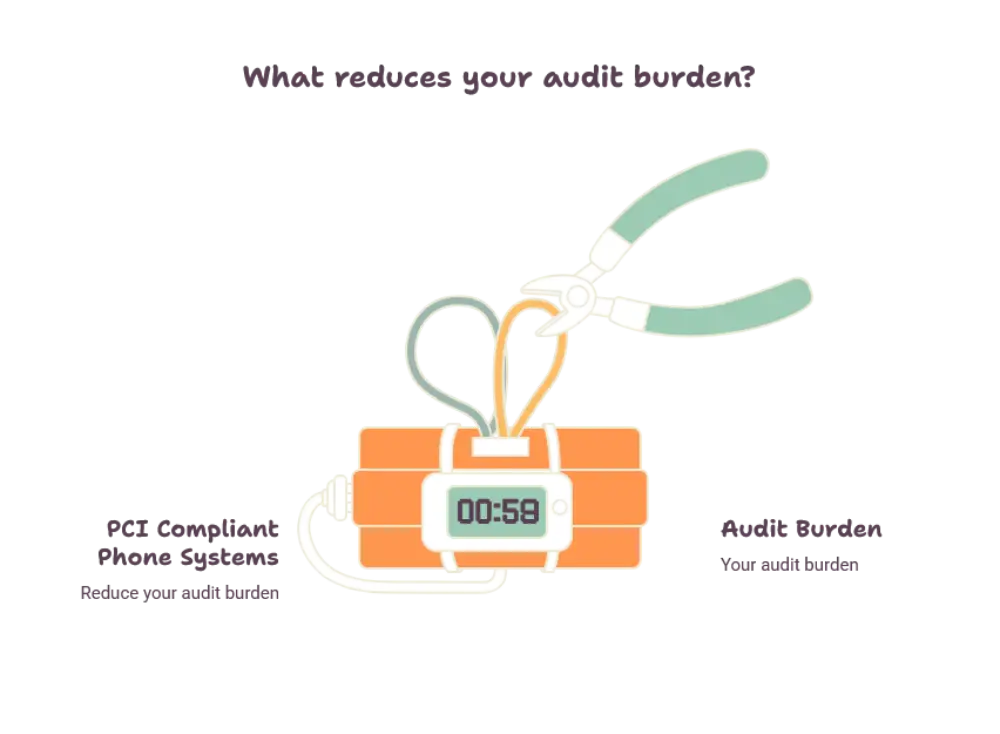
How PCI Compliant Phone Systems Reduce Your Audit Burden
Compliance is not only about security. It also affects how much work you face during assessments.
When card data flows through your whole phone environment, every device and network involved may need review. That means more documentation, more testing, and more risk.
A system that keeps card data out of your agents’ hands and your recordings shrinks that footprint. Fewer systems in scope means fewer controls to maintain and a cleaner path through your yearly validation.
How to Choose the Right Solution
Choosing a system is easier when you ask the right questions. Focus on these areas.
- Does the provider hold current PCI DSS validation, and can they share proof?
- Can the system mask card entry so agents never hear or see digits?
- Does it support automatic redaction of recordings and transcripts?
- How does it handle encryption, access control, and logging?
- Does it work with your existing payment processor and customer tools?
- What support is available if you face an audit or an incident?
Ask for written documentation. A trustworthy provider will clearly explain which responsibilities they handle and which remain with you.
Understand Shared Responsibility
Even with a compliant provider, you are still responsible for your own processes. Staff training, device security, and internal policies remain your job. A compliant platform supports your efforts, but it does not replace them.
Best Practices for Staying Compliant
Technology alone will not keep you safe. These habits make a real difference.
Train Your Team Regularly
Agents should know why card data matters and what to do during a payment call. Short, frequent refreshers work better than one long session each year.
Remove Paper and Manual Notes
Ban handwritten card numbers and sticky notes. If an agent needs to record something, it should never be card data.
Review Recordings and Storage
Check that old recordings do not contain sensitive details. Set clear retention rules so data is not kept longer than needed.
Test and Monitor Often
Run regular reviews of your phone environment. Look for gaps in configuration, user access, and call handling. Fixing small issues early prevents bigger ones later.
Keep Software Updated
Outdated phone software can contain known weaknesses. Apply updates promptly and confirm that your provider does the same.
Common Mistakes to Avoid
Many compliance failures come from simple oversights.
- Assuming call recording is safe by default
- Letting agents type card details into open text fields
- Using personal devices without security controls
- Skipping staff training after the first onboarding
- Trusting a provider’s claims without checking documentation
Each of these is easy to fix once you know where to look.
The Role of Cloud and Remote Work
Cloud based phone platforms have made it easier to run distributed teams. They also change how data moves.
With remote agents, you need to confirm that home networks and devices do not become a weak point. Secure payment capture helps here because the agent never handles card data, no matter where they work.
This is one reason many businesses with remote or hybrid teams favor systems that remove card data from the agent’s experience entirely.
Conclusion
PCI compliant phone systems give businesses a safe way to take payments by voice without exposing cardholder data. They protect your customers, reduce your audit workload, and lower the risk of costly breaches.
The best results come from pairing the right technology with strong habits. Choose a platform that masks card entry, redacts recordings, and supports clear access controls. Then train your team and review your processes often.
Secure phone payments are not complicated when the right foundation is in place. Start by reviewing how card data moves through your calls today, and close the gaps before they become problems.
Frequently Asked Questions
What are PCI compliant phone systems?
PCI compliant phone systems are voice platforms designed to meet PCI DSS requirements. They protect card data during phone payments by masking card entry, securing recordings, and controlling who can access sensitive information.
Do I need a PCI compliant phone system if I record calls?
Yes, if your calls include card payments. Recordings can capture card numbers and security codes, which creates risk and can bring your systems into audit scope. A compliant system removes or protects that data automatically.
Can agents still help customers during secure payment capture?
Yes. The agent stays on the line and guides the customer through the process. The customer enters card digits on their keypad, and the agent never hears or sees the numbers.
Does using a compliant provider make my business fully compliant?
No. A compliant provider covers their part of the system, but you remain responsible for your own processes, staff training, and device security. Compliance is a shared effort.
Are PCI compliant phone systems suitable for remote teams?
Yes. Secure payment capture keeps card data away from agents, so it works well for remote and hybrid teams. This reduces risk from home networks and personal devices.












Post Comment