5G and VoIP: The Future of Business Phone Systems
Communication technology is evolving rapidly, and businesses are always looking for faster, cheaper, and more reliable ways to communicate. This is where 5G and VoIP come into play. These technologies are changing how companies handle phone systems, video calls, messaging, and collaboration.
Traditional phone systems are becoming outdated. Companies are moving toward internet-based communication systems that offer flexibility and advanced features. With faster internet speeds and lower latency, businesses can now communicate more efficiently than ever before.
In this article, we will explore how 5G and VoIP are shaping the future of business phone systems, their benefits, challenges, and what companies should expect in the coming years.
What is VoIP Technology?
VoIP stands for Voice over Internet Protocol. It allows users to make phone calls using the internet instead of traditional telephone lines.
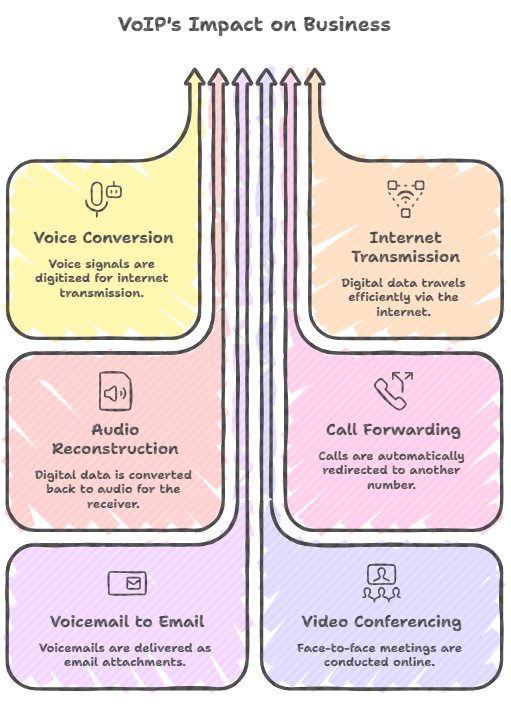
How VoIP Works
VoIP converts voice signals into digital data packets and sends them over the internet. The process works like this:
- Your voice is captured by a microphone.
- The voice is converted into digital data.
- Data is sent through the internet.
- The receiver’s device converts the data back into audio.
This process happens almost instantly, which makes VoIP calls smooth and efficient.
Key Features of VoIP
VoIP systems offer many features that traditional phone systems cannot provide:
- Call forwarding
- Voicemail to email
- Video conferencing
- Auto attendants
- Call recording
- Mobile apps
- CRM integration
- Conference calling
These features make VoIP systems ideal for modern businesses.
What is 5G Technology?
5G is the fifth generation of mobile network technology. It provides faster internet speeds, lower latency, and more reliable connections compared to 4G networks.
How 5G is Different from 4G
There are several major differences between 4G and 5G technology:
| Feature | 4G | 5G |
|---|---|---|
| Speed | Up to 100 Mbps | Up to 10 Gbps |
| Latency | 30–50 ms | 1–10 ms |
| Device Support | Limited | Massive IoT support |
| Reliability | Moderate | High |
| Network Efficiency | Lower | Higher |
Because of these improvements, 5G makes internet-based communication much more reliable.
Speed and Latency Improvements
The biggest advantage of 5G is low latency. Latency is the delay before data transfers begin. Lower latency means:
- Faster call connections
- Better video call quality
- Less lag
- Improved cloud applications
- Better remote work performance
This is why 5G and VoIP together create powerful communication systems for businesses.
How 5G and VoIP Work Together
When VoIP runs on a 5G network, the performance improves significantly. Calls become clearer, video meetings run smoother, and cloud communication tools work faster.
Cloud Communication Systems
Most modern VoIP systems are cloud-based. This means businesses do not need physical phone lines or hardware systems. Instead, everything runs through the internet.
Benefits of cloud VoIP systems include:
- Lower maintenance costs
- Easy upgrades
- Remote access
- Better security
- Automatic backups
With 5G internet speeds, cloud VoIP systems perform even better.
Mobile VoIP Solutions
5G also improves mobile VoIP apps. Employees can make business calls from smartphones using business numbers instead of personal numbers.
This allows businesses to:
- Support remote work
- Improve customer service
- Enable mobile offices
- Reduce hardware costs
- Increase productivity
Benefits of 5G and VoIP for Businesses
There are many advantages of using 5G and VoIP for business communication systems.
Cost Savings
One of the biggest benefits is cost reduction. Traditional phone systems require expensive hardware, installation, and maintenance.
VoIP systems reduce costs by:
- Eliminating landlines
- Reducing international call costs
- Lower maintenance expenses
- Subscription-based pricing
- Minimal hardware requirements
Businesses can save up to 50% on communication costs by switching to VoIP systems.
Better Call Quality
5G networks provide faster speeds and lower latency, which improves call quality significantly.
This results in:
- Clear audio calls
- No call drops
- Smooth video calls
- Faster connection times
- Better conference calls
Remote Work Support
Remote work is becoming more common, and businesses need flexible communication systems. VoIP allows employees to work from anywhere.
Remote work benefits include:
- Work from home
- Mobile office setup
- Global teams
- Flexible work schedules
- Improved productivity
Scalability
VoIP systems are very easy to scale. Businesses can add or remove users without installing new phone lines.
This is especially useful for:
- Growing companies
- Seasonal businesses
- Call centers
- Customer support teams
- Startups
Industries That Benefit from 5G VoIP
Many industries are already using 5G and VoIP systems to improve communication.
Industries include:
| Industry | Benefits |
|---|---|
| Healthcare | Telemedicine and remote consultations |
| Real Estate | Mobile communication and virtual tours |
| Customer Support | Call centers and cloud communication |
| Education | Online learning and video classes |
| Logistics | Real-time communication |
| Finance | Secure communication systems |
| Retail | Customer service and support |
These industries rely heavily on communication, so fast and reliable phone systems are very important.
Security Considerations
Security is very important when using internet-based phone systems. Businesses must protect their communication systems from cyber threats.
Common VoIP security risks include:
- Call interception
- Phishing attacks
- Malware
- Denial of Service (DoS) attacks
- Data breaches
Businesses can improve security by:
- Using encryption
- Installing firewalls
- Using secure VoIP providers
- Updating software regularly
- Using VPNs
- Strong passwords and authentication
Challenges of 5G and VoIP
Even though 5G and VoIP offer many benefits, there are still some challenges.
Common challenges include:
- Limited 5G coverage in some areas
- Internet dependency
- Power outages affect VoIP
- Security risks
- Network congestion
- Initial setup costs
However, as technology improves, these challenges are becoming less significant.
Future Trends in Business Phone Systems
The future of business communication will be driven by new technologies. Some major trends include:
- AI-powered call assistants
- Voice analytics
- Cloud communication platforms
- Unified communication systems
- IoT communication devices
- Smart offices
- Virtual reality meetings
- Automation and chatbots
In the future, business phone systems will become part of complete communication platforms rather than just phone services.
How to Prepare Your Business for 5G VoIP
Businesses should start preparing now to adopt 5G and VoIP communication systems.
Steps to prepare:
- Upgrade internet infrastructure
- Choose a reliable VoIP provider
- Train employees
- Implement cybersecurity measures
- Move communication to cloud platforms
- Use collaboration tools
- Test network performance
- Plan scalability
- Monitor communication costs
- Create remote work policies
You can learn more about VoIP technology from this resource:
https://www.fcc.gov/consumers/guides/voice-over-internet-protocol-voip
FAQs
What is the difference between VoIP and traditional phone systems?
VoIP uses the internet to make calls, while traditional phone systems use landlines and telephone networks.
Is VoIP cheaper than landlines?
Yes, VoIP is usually much cheaper because it does not require physical phone lines and offers lower call rates.
How does 5G improve VoIP calls?
5G improves VoIP by providing faster speeds, lower latency, and better call quality.
Can small businesses use VoIP systems?
Yes, VoIP systems are ideal for small businesses because they are affordable and scalable.
Is VoIP secure?
VoIP can be secure if encryption, firewalls, and secure networks are used.
Do you need special phones for VoIP?
No, VoIP can work on smartphones, computers, and VoIP desk phones.
Will 5G replace traditional phone systems?
Yes, over time most businesses will move to internet-based communication systems powered by 5G and VoIP.
Conclusion
The combination of 5G and VoIP is transforming the future of business communication. Companies are moving away from traditional phone systems and adopting internet-based communication solutions that are faster, cheaper, and more flexible.
With benefits like better call quality, remote work support, scalability, and cost savings, it is clear that 5G and VoIP will become the standard for business phone systems in the future. Businesses that adopt these technologies early will gain a competitive advantage and improve their communication efficiency.
As technology continues to evolve, communication systems will become smarter, more integrated, and more mobile. The future of business phone systems is not just about making calls — it is about creating complete communication ecosystems powered by 5G and VoIP.













Post Comment