
Telecom Industry News: The Trends Shaping How the World Connects
Telecom Industry News moves fast, and it affects almost everyone. From the phone in your pocket to the networks that power hospitals, factories, and cities, telecommunications sits at the center of modern life.
Staying updated helps professionals, business owners, and curious readers understand where connectivity is heading. This guide covers the biggest themes in the sector right now.
- Why Telecom Industry News Matters
- 5G Continues to Mature
- Artificial Intelligence Is Changing Network Operations
- Satellite and Direct to Device Connectivity
- Fiber and Broadband Expansion
- Open RAN and Network Virtualization
- Cybersecurity and Network Trust
- Sustainability in Telecommunications
- Private Networks and Enterprise Connectivity
- How to Stay Informed
- Conclusion
- Frequently Asked Questions
Why Telecom Industry News Matters
Telecommunications is no longer just about calls and text messages. It now supports streaming, remote work, cloud services, smart devices, and digital payments.
Following Telecom Industry News helps you spot change early. It shows which technologies are gaining ground and which regulations may affect the market.
For businesses, this knowledge supports better planning. For individuals, it explains why networks keep getting faster and more capable.
5G Continues to Mature
5G has moved well beyond its early rollout phase. Operators around the world are now focused on improving coverage, reliability, and real world performance.
The attention has shifted from simple speed claims to practical value. Networks are being tuned for consistent quality in crowded areas such as stadiums, transport hubs, and city centers.
Standalone 5G Networks
Standalone 5G uses a dedicated core network instead of relying on older 4G infrastructure. This unlocks lower delay and more flexible service options.
It also enables network slicing, which lets operators create separate virtual lanes for different needs. A hospital, a factory, and a streaming service can each get the performance profile that suits them.
5G Advanced and Early 6G Research
5G Advanced is the next step in the evolution of mobile networks. It improves efficiency, device performance, and support for intelligent applications.
Meanwhile, researchers and standards bodies have begun shaping 6G. The goal is a network that blends communication, sensing, and artificial intelligence. Commercial 6G is still years away, but the groundwork is already visible in current discussions.
Artificial Intelligence Is Changing Network Operations
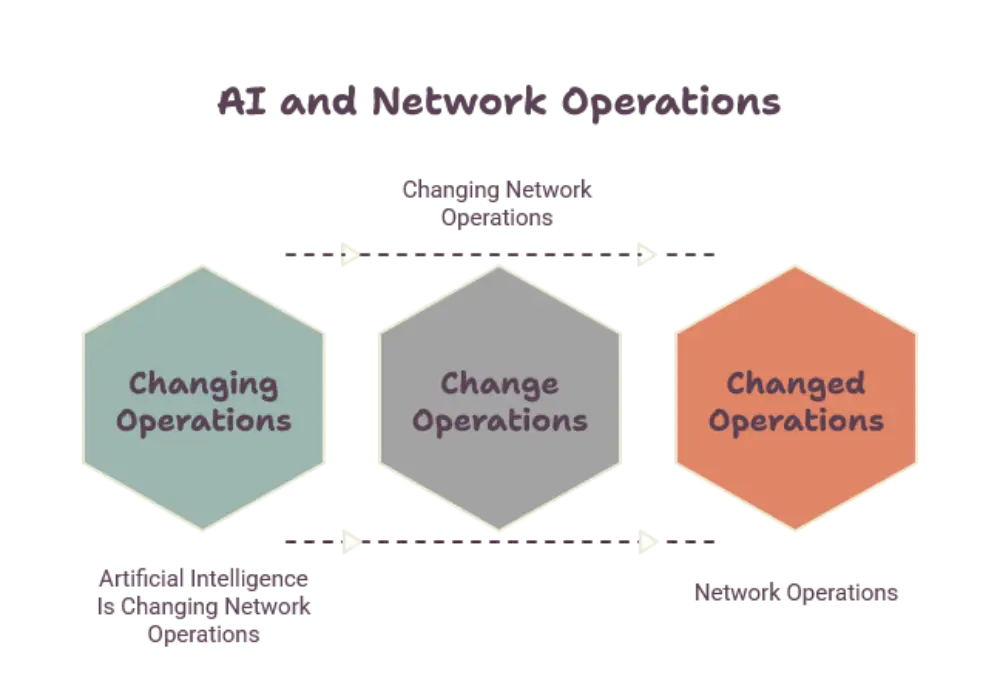
Artificial intelligence is one of the most talked about topics in Telecom Industry News. Networks generate huge amounts of data, and AI helps make sense of it.
Operators use it to predict faults before they cause outages. They also use it to balance traffic, reduce energy use, and improve the customer experience.
Smarter Customer Support
AI assistants now handle many common customer questions. They can help with account queries, troubleshooting steps, and service updates at any hour.
This frees human agents to focus on complex issues. It also shortens waiting times for people who need quick answers.
Self Optimizing Networks
Some networks can now adjust their own settings based on live conditions. If demand rises in one area, the system can shift resources automatically.
This reduces manual work and improves service quality. It also helps operators manage growing complexity as more devices connect.
Satellite and Direct to Device Connectivity
Satellite communication is becoming a bigger part of the telecom story. New constellations in low orbit offer coverage in places where traditional towers are difficult to build.
Remote villages, ships, aircraft, and disaster zones can all benefit. This helps close the digital divide for communities that have long lacked reliable access.
Direct to device services are especially exciting. They allow certain smartphones to connect to satellites without special hardware, which can keep people reachable during emergencies or outside normal coverage.
The industry is also working on how satellite and mobile networks can work together. The long term vision is a seamless experience where your device simply stays connected.
Fiber and Broadband Expansion
Fixed networks remain essential. Fiber optic cables carry enormous amounts of data and form the backbone of both home internet and mobile networks.
Many regions are investing in wider fiber coverage to support growing demand. Streaming, online learning, cloud gaming, and remote work all depend on stable, high capacity connections.
Fixed wireless access is also growing. It uses mobile network technology to deliver home internet where laying cable is slow or difficult.
Together, these approaches help more households and businesses get dependable broadband.
Open RAN and Network Virtualization
Traditional networks relied on tightly integrated hardware and software. Open RAN changes this by using open interfaces that let different components work together.
This approach can make networks more flexible and easier to upgrade. It also encourages innovation, since new ideas can be introduced without replacing entire systems.
Virtualization supports this shift. Instead of running on dedicated boxes, many network functions now run as software on standard computing platforms.
The result is faster deployment of new services. It also gives operators greater control over how their networks evolve.
Cybersecurity and Network Trust
As networks become more connected, security becomes more important. Telecom infrastructure is critical, so protecting it is a top priority.
Operators are strengthening defenses against fraud, data theft, and service disruption. Encryption, continuous monitoring, and zero trust principles are becoming standard practice.
Consumers are also seeing more protection against scam calls and spam messages. Network level filtering and caller verification tools help reduce harmful activity.
Trust is a major theme. People want to know that their data and communications are handled responsibly.
Sustainability in Telecommunications
Networks use a lot of energy, so sustainability is a growing focus. Operators are looking for ways to reduce their environmental footprint.
Common efforts include:
- Switching base stations to renewable energy sources
- Using AI to power down equipment during low demand periods
- Upgrading older gear to more efficient models
- Recycling and reusing network hardware
These steps help the industry support climate goals while keeping services reliable.
Private Networks and Enterprise Connectivity
Many organizations now build private wireless networks for their own sites. Ports, mines, airports, and factories use them to gain tighter control over performance and security.
These networks support automation, robotics, and connected sensors. They are especially useful where reliability is critical and public networks may not be enough.
The Internet of Things is a major driver. Billions of connected devices need dependable links, and telecom networks are adapting to serve them at scale.
How to Stay Informed
The pace of change makes it easy to fall behind. A few simple habits can keep you up to date.
Follow trusted industry publications and official updates from standards bodies. Join webinars and conferences where experts share insights. Set alerts for topics that matter most to your work.
It also helps to read widely. Telecom connects with cloud computing, cybersecurity, media, and public policy, so a broad view gives better context.
Conclusion
Telecom Industry News tells the story of a sector that keeps reinventing itself. 5G is maturing, AI is making networks smarter, and satellites are extending coverage to new places.
At the same time, fiber, Open RAN, security, and sustainability are shaping how networks are built and run. Each of these trends affects how people live, work, and communicate.
By following the latest developments, you can make smarter decisions and stay ready for what comes next. Keep an eye on the themes above, and you will understand the direction of global connectivity far better.
Frequently Asked Questions
What is Telecom Industry News?
Telecom Industry News covers updates about networks, mobile technology, broadband, satellites, regulations, and innovation in the telecommunications sector. It helps readers understand how connectivity is changing.
Why is Telecom Industry News important for businesses?
It helps businesses anticipate technology shifts, plan digital strategies, and understand regulatory changes. Staying informed supports better decisions about connectivity and growth.
What are the biggest trends in the telecom sector right now?
Major trends include the maturing of 5G, AI driven network operations, satellite connectivity, fiber expansion, Open RAN, stronger cybersecurity, and sustainability efforts.
How does 5G differ from 6G?
5G is the current generation of mobile networks and is still expanding and improving. 6G is a future generation under research, expected to combine communication, sensing, and advanced AI capabilities.
Where can I find reliable Telecom Industry News?
Look to respected industry publications, official standards organizations, operator announcements, and professional conferences. Using several trusted sources gives a balanced view.












Post Comment