VoIP for Retail Stores: A Smarter Way to Stay Connected
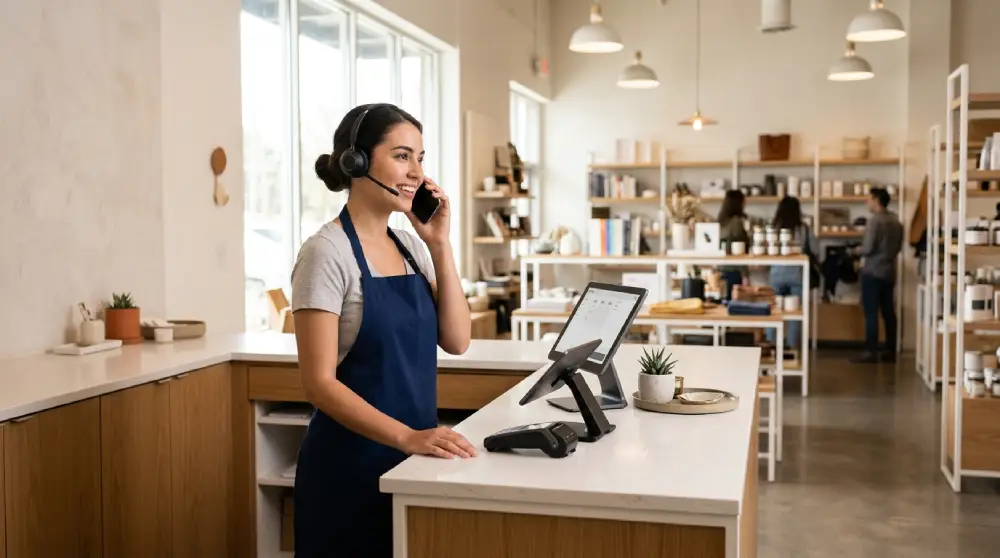
VoIP for retail stores is quickly becoming the standard way retailers manage calls, connect multiple locations, and support customers. Instead of relying on outdated phone lines, retail businesses are switching to internet based calling systems that are easier to manage and far more flexible. This shift is helping store owners simplify communication while improving the overall customer experience.
In this post, we will explore what VoIP means for retail businesses, the benefits it offers, key features to look for, and how it fits into everyday store operations.
- What Is VoIP and Why Retail Stores Are Using It
- Key Benefits of VoIP for Retail Stores
- Essential VoIP Features Retail Stores Should Look For
- How VoIP Improves the In Store and Online Shopping Experience
- Common Use Cases of VoIP in Retail
- Tips for a Smooth VoIP Implementation in Retail
- Conclusion
- Frequently Asked Questions
What Is VoIP and Why Retail Stores Are Using It
VoIP, or Voice over Internet Protocol, allows phone calls to be made using an internet connection instead of traditional phone lines. For retail stores, this means calls can be handled through desk phones, mobile apps, or even computers, all connected to a single system.
Retailers are adopting VoIP because it simplifies communication across multiple departments and locations. Whether it is a small boutique or a chain with several branches, VoIP creates one unified communication system that is simple to manage.
Why Traditional Phone Systems Fall Short
Traditional landlines are limited to a single location and often lack modern features like call forwarding, voicemail transcription, or mobile access. Retailers with growing teams or multiple stores often find these systems difficult to scale and manage efficiently.
Key Benefits of VoIP for Retail Stores
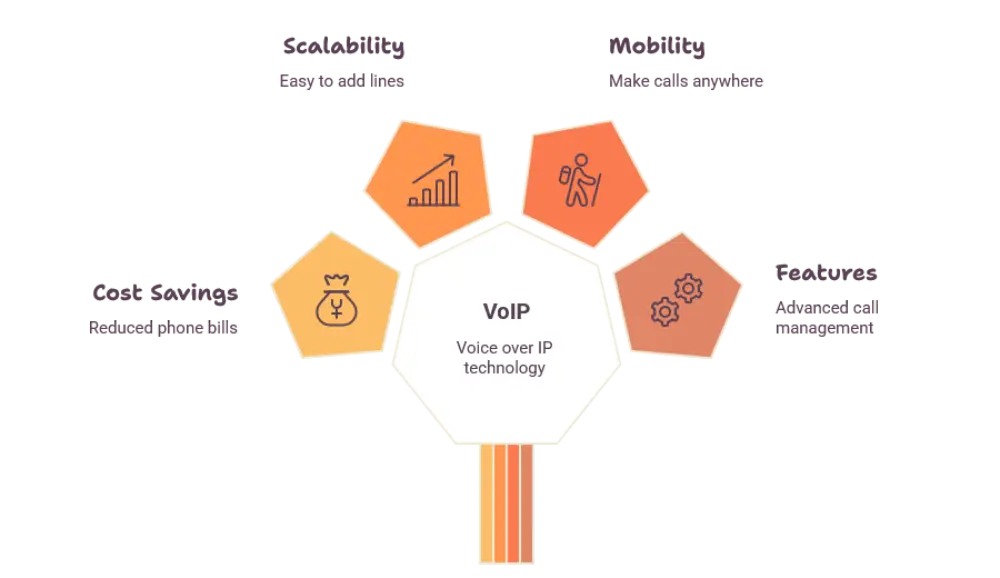
VoIP offers several advantages that directly support daily retail operations and long term business growth.
Seamless Multi Location Connectivity
For retailers with more than one store, VoIP makes it possible to connect every branch under a single phone system. Calls can be transferred between locations easily, and managers can reach any store without dialing separate numbers.
Better Customer Service Experience
Retail customers often call to ask about product availability, store hours, or order status. VoIP systems support features like call queues and auto attendants, ensuring customers are directed to the right person quickly instead of waiting on hold for long periods.
Flexibility for Staff and Managers
VoIP allows employees to answer calls from a mobile app, laptop, or desk phone. This is especially useful for store managers who move between the sales floor, back office, and sometimes multiple locations throughout the day.
Integration With Retail Tools
Many VoIP systems integrate with customer relationship management platforms and point of sale software. This allows staff to view customer details during a call, making conversations more personalized and efficient.
Essential VoIP Features Retail Stores Should Look For
Not all VoIP systems are built the same, so it helps to know which features matter most for a retail environment.
Call Routing and Auto Attendant
Automated call routing ensures customers reach the correct department without needing a live receptionist. This is especially helpful during busy shopping hours.
Mobile App Access
A strong mobile app allows staff to answer store calls even when they are away from the front desk. This keeps communication consistent throughout the day.
Voicemail to Email
This feature converts voicemail messages into audio files or text summaries sent directly to email. Store managers can review missed calls quickly without checking a physical voicemail box.
Call Analytics
Call tracking and analytics help retail managers understand call volume, peak hours, and staff performance. This data can guide staffing decisions and improve customer service strategies.
How VoIP Improves the In Store and Online Shopping Experience
Retail today blends physical stores with online shopping, and VoIP supports both sides of the business. Customers calling about an online order or asking whether an item is available in store can be connected to the right team instantly.
VoIP also supports click and collect services, where customers place an order online and pick it up at a nearby store. Clear phone communication ensures these orders are confirmed and ready on time.
Common Use Cases of VoIP in Retail
Retail businesses use VoIP in several practical ways throughout daily operations.
Customer Support Lines
Stores use VoIP to manage dedicated support lines for product questions, returns, or general inquiries, ensuring customers always have a way to reach someone.
Order Confirmation Calls
VoIP systems make it easy for staff to confirm orders, verify delivery details, or notify customers when an item is ready for pickup.
Internal Staff Communication
Employees across departments, including sales, inventory, and customer service, use VoIP extensions to communicate internally without needing separate phone lines.
Tips for a Smooth VoIP Implementation in Retail
Switching to VoIP does not have to be complicated. A few simple steps can help retail stores transition smoothly.
Start by mapping out how calls currently move through the store, including who answers calls and how they are transferred. This helps in setting up call routing correctly from the beginning.
Next, train staff on using the new system, including mobile apps and voicemail features. A short training session can prevent confusion during the first few weeks.
Finally, test the system during both quiet and busy hours to ensure call quality remains strong no matter how many customers are calling at once.
Conclusion
VoIP for retail stores offers a practical way to modernize communication, support multiple locations, and improve the overall customer experience. From automated call routing to mobile accessibility, VoIP gives retail businesses the tools they need to stay connected with both customers and staff. As retail continues to blend online and offline experiences, a reliable VoIP system becomes an important part of daily operations.
Frequently Asked Questions
What is VoIP for retail stores?
VoIP for retail stores is a phone system that uses the internet to make and receive calls, allowing retailers to manage communication across staff, departments, and multiple store locations through one unified platform.
Can VoIP connect multiple retail store locations?
Yes, VoIP systems are designed to connect multiple locations under a single phone network, allowing easy call transfers and centralized management across all stores.
Does VoIP work with mobile phones?
Most VoIP providers offer mobile apps that allow staff to make and receive store calls from their smartphones, keeping communication consistent even when they are away from a desk phone.
How does VoIP improve customer service in retail?
VoIP improves customer service through features like call routing, auto attendants, and call queues, which help direct customers to the right person quickly and reduce wait times.
Is VoIP reliable for busy retail environments?
Yes, modern VoIP systems are built to handle high call volumes, making them suitable for busy retail environments, especially during peak shopping hours or seasonal sales periods.













Post Comment