HIPAA Compliant VoIP: What Healthcare Practices Need to Know
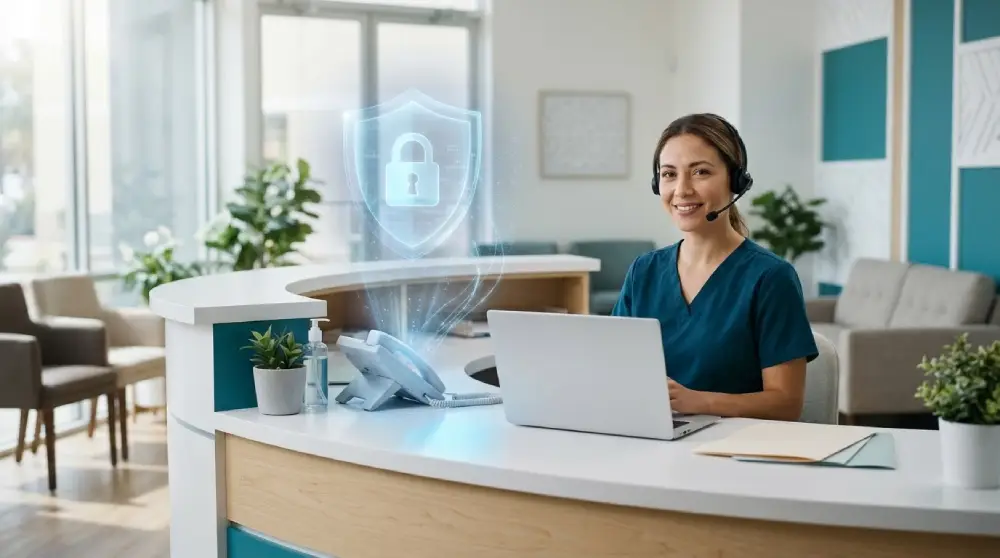
HIPAA compliant VoIP is a voice over internet protocol phone system built to protect patient information in line with federal healthcare privacy rules.
Every call, voicemail, fax, and text message in a medical practice can contain protected health information, also known as PHI. A standard business phone system is not designed to protect that data. A compliant system is.
The goal is simple: patients can talk to your team, and their private details stay private.
Why Healthcare Practices Are Moving to VoIP
Clinics, hospitals, dental offices, and therapy practices all rely on fast and clear communication. VoIP offers features that older phone lines struggle to match.
Staff can take calls from a laptop or mobile app. Front desk teams can route calls to the right department in seconds. Remote and hybrid care teams stay connected without extra hardware.
Telehealth has also pushed adoption higher. When patient conversations happen over the internet, security becomes a bigger concern, and that is where HIPAA compliance matters most.
Core Safeguards of HIPAA Compliant VoIP
HIPAA does not certify specific products. Instead, it requires administrative, physical, and technical safeguards. A strong HIPAA compliant VoIP setup covers all three.
Encryption for Voice and Data
Encryption turns your calls and messages into unreadable code while they travel across the internet.
Look for encryption of data in transit and at rest. This protects live conversations, stored voicemails, call recordings, and message logs.
If a bad actor intercepts the data, it should be useless to them.
Access Controls and Authentication
Not everyone in your practice needs access to every call record or voicemail.
Role based access limits what each user can see and do. A receptionist may need call logs, while only a compliance officer needs recording archives.
Multifactor authentication adds another layer. Even if a password is stolen, the account stays protected.
Audit Logs and Monitoring
HIPAA expects you to know who accessed PHI and when.
A compliant system keeps detailed logs of user activity, including logins, call recording access, and setting changes. These records help you spot unusual behavior early and support investigations if an incident occurs.
Regular log reviews should be part of your routine, not something you only do after a problem.
Secure Voicemail and Call Recording
Voicemails often include names, dates of birth, symptoms, and medication details.
Secure voicemail should be encrypted, password protected, and stored in a controlled environment. If you deliver voicemail to email, make sure that delivery method is also secure.
Call recording needs the same care. Only record when necessary, store recordings safely, and set clear retention and deletion rules.
The Business Associate Agreement
A Business Associate Agreement, or BAA, is one of the most important parts of HIPAA compliant VoIP.
Any vendor that handles PHI on your behalf is considered a business associate. HIPAA requires a signed BAA that defines how the vendor will protect that data.
Without a BAA, your practice may be out of compliance, even if the technology itself is secure.
A good BAA should clearly cover:
- How PHI is stored, used, and protected
- Breach notification responsibilities and timelines
- Rules for subcontractors who may touch your data
- What happens to your data if the relationship ends
Always read the agreement carefully and involve your legal or compliance team before signing.
Common Compliance Gaps to Avoid
Even a well designed system can fall short if it is set up or used the wrong way. These are the gaps that cause the most trouble.
Treating the Technology as the Whole Answer
A secure platform helps, but compliance is shared. Your team still needs policies, training, and proper configuration.
Using Personal Devices Without Controls
Staff often use personal phones for work calls and texts. Without device management, screen locks, and remote wipe options, PHI can leak easily.
Ignoring Text Messaging and Fax
Voice is only one channel. Secure messaging and digital fax must meet the same standards as calls. A single unprotected text thread can create a violation.
Weak Password Habits
Shared logins and simple passwords are still a leading cause of breaches. Every user should have a unique account and strong credentials.
How to Evaluate a HIPAA Compliant VoIP Provider
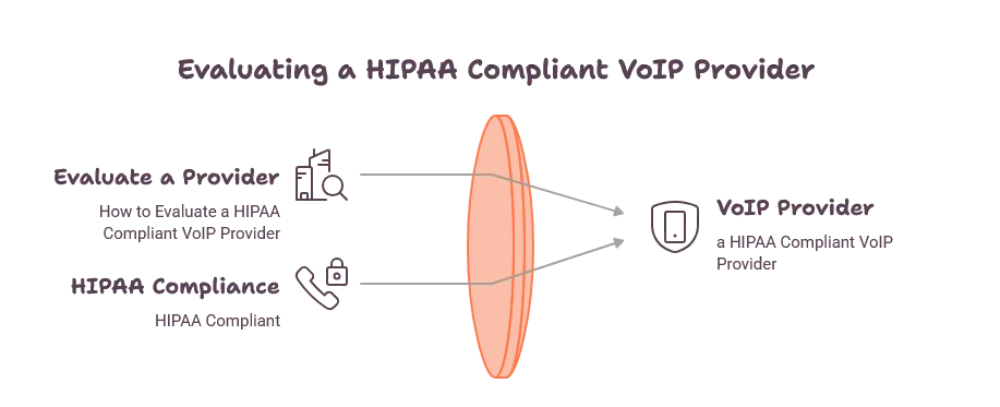
Choosing a provider is a serious decision. Ask direct questions and expect clear answers.
Start with the basics. Will the provider sign a BAA? Do they encrypt data in transit and at rest? Can they show how access controls and audit logs work?
Then look deeper at reliability and support:
- Redundant data centers and uptime commitments
- Disaster recovery and data backup plans
- Clear incident response and breach notification procedures
- Independent security audits or recognized security frameworks
Be cautious of any provider that claims to be “HIPAA certified.” No official government certification exists. What matters is how the provider supports your compliance duties and whether they are willing to put it in writing.
Best Practices for Your Team
Technology works best when people know how to use it safely. A few habits make a big difference.
Train Staff Regularly
Teach your team what counts as PHI and how to handle it on calls, voicemails, and messages. Refresh that training at least once a year.
Limit What Gets Shared
Encourage the minimum necessary rule. Share only the details required to complete a task, especially over voicemail.
Review Settings and Access Often
Roles change, staff leave, and settings drift over time. Schedule regular reviews so access always matches current needs.
Prepare for Incidents
Have a written plan for lost devices, suspected breaches, and system outages. A fast, organized response limits damage and shows regulators you take compliance seriously.
Conclusion
HIPAA compliant VoIP gives healthcare practices the flexibility of modern communication without putting patient privacy at risk.
The essentials are clear. Choose a provider that signs a BAA, uses strong encryption, offers access controls, and keeps detailed audit logs. Then support that technology with solid policies and ongoing staff training.
When the right tools and the right habits work together, your team can communicate confidently and your patients can trust that their information is safe.
FAQs
What does HIPAA compliant VoIP mean?
HIPAA compliant VoIP is an internet based phone system that includes the safeguards needed to protect patient health information, such as encryption, access controls, audit logs, and a signed Business Associate Agreement with the provider.
Is regular VoIP HIPAA compliant?
Not by default. Standard VoIP services may lack the required security controls and may not offer a BAA. A provider must support HIPAA requirements before you use the system to handle patient information.
Do I need a BAA for HIPAA compliant VoIP?
Yes. If your VoIP provider can access, store, or transmit protected health information, HIPAA requires a signed Business Associate Agreement that outlines how that data will be protected.
Can VoIP call recordings be HIPAA compliant?
Yes, as long as recordings are encrypted, stored securely, and accessible only to authorized users. You should also set clear policies for retention and deletion.
Who is responsible for HIPAA compliance when using VoIP?
Responsibility is shared. The provider must secure its platform, and your practice must configure the system correctly, train staff, manage access, and follow internal privacy policies.











Post Comment