
AI Call Routing: The Smarter Way to Connect Every Customer Call
AI Call Routing is changing the way businesses handle inbound calls by using artificial intelligence to send each caller to the right agent, department, or resource automatically. Instead of relying on rigid menus or manual transfers, this technology listens, understands intent, and makes routing decisions in real time. For businesses that handle high call volumes, this shift means fewer dropped calls, shorter wait times, and a much smoother experience for customers.
In this post, we will break down what AI Call Routing actually is, how it works, why it matters, and what businesses should know before adopting it.
What Is AI Call Routing
AI Call Routing is a system that uses machine learning and natural language processing to analyze incoming calls and direct them to the most suitable destination. This could be a specific agent, a department, a chatbot, or even an automated self service option.
Traditional call routing relies on fixed rules, such as pressing a number on a keypad. AI powered systems go further. They can understand spoken language, detect caller intent, and factor in things like agent availability and past customer history before making a decision.
Why Traditional Routing Falls Short
Older phone systems often force callers through long menus that do not match their actual needs. This leads to frustration, repeated transfers, and longer resolution times. AI Call Routing removes much of that friction by understanding what the caller wants from the very first sentence they speak.
How AI Call Routing Works
AI Call Routing typically follows a few core steps behind the scenes, all happening within seconds of a call coming in.
Voice Recognition and Speech to Text
The system first converts spoken words into text using speech recognition technology. This allows the AI to process what the caller is saying almost instantly.
Intent Detection
Once the speech is converted to text, natural language processing models analyze the content to figure out the purpose of the call. For example, the system can tell the difference between a billing question and a technical support issue.
Smart Routing Decisions
Based on the detected intent, the AI matches the call with the best available option. This might include routing to a specialist agent, a department with shorter wait times, or a self service tool that can resolve simple requests without human involvement.
Continuous Learning
Many AI Call Routing systems improve over time. As they process more calls, they refine their understanding of language patterns, customer needs, and outcomes, which leads to more accurate routing decisions in the future.
Key Benefits of AI Call Routing
Businesses across industries are adopting AI Call Routing because of the practical advantages it offers to both customers and internal teams.
Faster Resolution Times
Customers reach the right person more quickly, which reduces the number of transfers and shortens overall call handling time.
Improved Customer Experience
When callers feel understood from the start, satisfaction naturally improves. There is less repetition and less frustration compared to navigating multiple menu layers.
Better Agent Efficiency
Agents receive calls that match their expertise, which reduces confusion and allows them to resolve issues faster. This also helps distribute workload more evenly across teams.
Scalability During High Volume Periods
During peak times, AI Call Routing can manage sudden spikes in call volume without overwhelming staff, since it can intelligently distribute calls or offer automated alternatives when needed.
Valuable Data Insights
These systems often generate useful analytics about call patterns, common customer concerns, and peak call times, which can help businesses plan staffing and improve overall operations.
Common Use Cases for AI Call Routing
AI Call Routing is useful across many industries and business functions.
Customer Support Centers
Support teams use it to quickly separate technical issues from general inquiries, ensuring the right specialist handles each case.
Sales Teams
Sales departments use AI Call Routing to send high value leads directly to experienced representatives while general inquiries go to newer team members or automated systems.
Healthcare Providers
Clinics and hospitals use it to prioritize urgent calls, direct appointment requests appropriately, and reduce hold times for patients.
Financial Services
Banks and financial institutions rely on AI Call Routing to handle sensitive requests securely while directing simpler tasks to self service tools.
Challenges to Keep in Mind
While AI Call Routing offers major advantages, it is not without considerations.
Accuracy of Intent Detection
If the AI misunderstands a caller’s intent, it may route the call incorrectly. Continuous training and monitoring help minimize this risk over time.
Integration With Existing Systems
Businesses need to ensure their AI Call Routing solution integrates smoothly with existing phone systems, customer relationship management tools, and support platforms.
Maintaining a Human Touch
Even with automation, customers still value the option to reach a real person when needed. The best systems balance efficiency with accessibility.
Best Practices for Implementing AI Call Routing
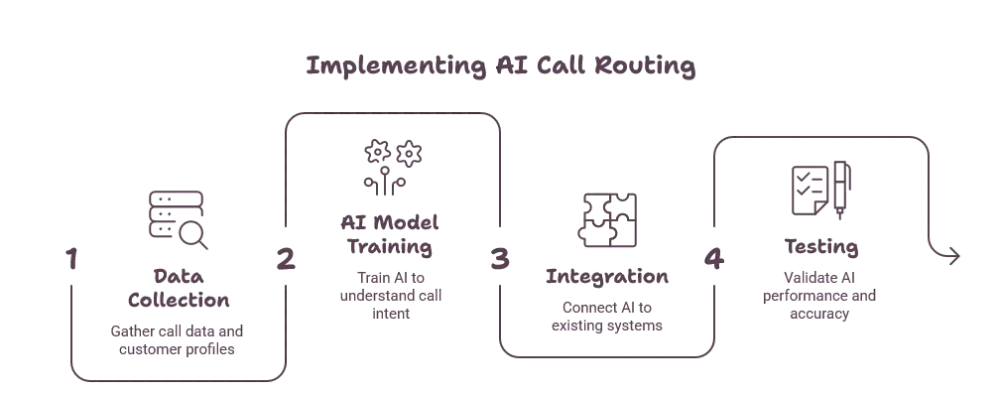
Getting the most out of AI Call Routing requires thoughtful setup and ongoing management.
Start With Clear Call Categories
Define the main reasons customers call so the AI has a strong foundation for intent detection.
Monitor and Refine Regularly
Review routing accuracy and customer feedback frequently to identify areas for improvement.
Offer an Easy Path to a Human Agent
Always include a simple way for callers to reach a live representative if the automated system cannot resolve their issue.
Train the System With Real Conversations
The more real world call data the AI learns from, the better it becomes at recognizing patterns and improving routing decisions.
The Future of AI Call Routing
As natural language processing continues to advance, AI Call Routing will become even more accurate and conversational. Future systems are likely to understand emotional tone, predict customer needs before they are fully expressed, and integrate more deeply with other business tools to create a fully connected customer experience.
Businesses that adopt this technology early are positioning themselves to offer faster, more personalized service while reducing the operational strain that comes with high call volumes.
Conclusion
AI Call Routing is reshaping how businesses manage inbound calls by replacing outdated menu systems with intelligent, real time decision making. It improves customer satisfaction, boosts agent efficiency, and provides valuable insights that help organizations run more smoothly. As the technology continues to evolve, it will play an even bigger role in delivering seamless communication experiences for both businesses and their customers.
Frequently Asked Questions
What is AI Call Routing?
AI Call Routing is a system that uses artificial intelligence to understand caller intent and automatically direct calls to the most appropriate agent, department, or automated resource.
How does AI Call Routing improve customer service?
It reduces wait times and unnecessary transfers by connecting callers with the right resource from the start, leading to faster resolutions and a smoother overall experience.
Can AI Call Routing understand different accents and languages?
Modern systems are trained on diverse speech data and can often handle multiple accents and languages, though accuracy can vary depending on the specific solution used.
Does AI Call Routing replace human agents?
No, it works alongside human agents by handling routing decisions and simple requests, while still allowing customers to reach a live representative when needed.
Is AI Call Routing suitable for small businesses?
Yes, many solutions are flexible enough to scale for smaller call volumes while still offering the benefits of intelligent routing and improved customer experience.














Post Comment