
VoIP Pricing Guide: Everything You Need to Know Before You Switch
If you are researching business phone systems, you have probably realized how confusing the numbers can get. This VoIP Pricing Guide breaks down how VoIP costs are structured, what influences them, and what to look for so you can make a confident, well informed decision for your organization.
VoIP, or Voice over Internet Protocol, has become the standard communication method for businesses of every size. Instead of relying on traditional copper phone lines, VoIP sends calls over the internet, which opens the door to flexible plans, scalable features, and modern integrations that older systems simply cannot offer.
Understanding How VoIP Pricing Works
VoIP systems are built differently than legacy phone lines, and that difference shapes how providers structure their offerings. Rather than charging a flat fee tied to physical infrastructure, most VoIP providers build their plans around usage, features, and the number of users on the system.
What Shapes VoIP Costs
Several factors influence how a VoIP plan is structured. The number of users on the account plays a major role, since most providers scale their plans around seats or extensions. The features included, such as call routing, voicemail transcription, or video conferencing, also affect the overall structure. Additionally, the type of deployment, whether cloud hosted or managed internally, changes how the system is billed and maintained.
Common Pricing Models
VoIP providers generally rely on a handful of familiar models. Subscription based plans charge a recurring fee per user or per line. Usage based models charge according to call volume or minutes consumed. Bundled plans combine calling, messaging, and video into a single package. Understanding which model a provider uses helps you compare offerings on equal footing rather than guessing at what is included.
Types of VoIP Plans
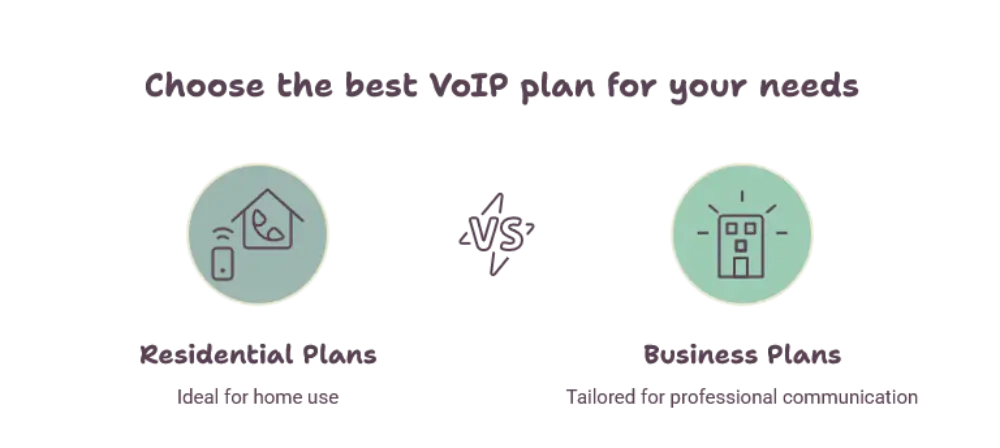
Not all VoIP solutions are built the same way, and the type of plan you choose will directly affect setup time, maintenance responsibility, and long term flexibility.
Hosted VoIP Solutions
Hosted, or cloud based, VoIP is managed entirely by the provider. This means the provider handles updates, security, and infrastructure, while your business simply uses the service. This model tends to appeal to companies that want a simple setup without dedicating internal resources to maintenance.
On Premise VoIP Systems
On premise VoIP requires your business to host and manage its own equipment. This approach gives you more control over configuration and data handling, but it also requires internal IT support and physical hardware. Companies with specific compliance needs or highly customized workflows sometimes prefer this route.
Hidden Costs to Watch For
Even with a clear plan structure, there are elements that are easy to overlook when evaluating a provider. Setup and onboarding support, additional hardware such as desk phones or headsets, international calling capabilities, and premium integrations with tools like CRM software can all add layers to what you originally expected. Reviewing the fine print of any agreement helps you understand exactly what is included versus what may require an upgrade later.
Features That Influence Overall Value
The real value of a VoIP system often comes down to the features bundled into a plan rather than the base offering alone. Auto attendants, call analytics, mobile apps, video conferencing, and integrations with productivity tools all contribute to how useful a system becomes for daily operations.
Scalability and Flexibility
A strong VoIP solution should grow with your business. Look for providers that allow you to add or remove users easily, adjust features as needs change, and expand into new locations without a complicated migration process.
Reliability and Call Quality
Uptime and call clarity are essential considerations. A provider with strong infrastructure and redundancy measures in place will reduce the risk of dropped calls or service interruptions, which directly affects customer experience and internal productivity.
How to Evaluate a VoIP Pricing Guide Before Choosing a Provider
When comparing providers, it helps to approach the evaluation with a clear checklist in mind. Consider how the plan scales as your team grows. Review which features are included by default versus offered as add ons. Check whether customer support is available around the clock. Look into contract flexibility, including whether monthly agreements are available. Confirm that the platform integrates smoothly with the tools your team already uses.
Taking a structured approach like this ensures you are not comparing plans based on surface level impressions alone.
Tips for Getting the Best VoIP Setup for Your Business
Before committing to any provider, take time to map out your organization’s communication needs. Think about how many employees will use the system, whether remote work is part of your operations, and which features matter most for your workflow. Testing a trial period, when available, can also reveal how intuitive the platform feels for your team in real world use.
It is also worth considering future growth. A system that fits your needs today should ideally be able to expand alongside your business without requiring a complete overhaul down the line.
Conclusion
Choosing the right VoIP system involves more than just picking a provider at random. By understanding how plans are structured, what features matter most, and which factors influence long term value, you can make a decision that supports your business both now and in the future. This VoIP Pricing Guide is meant to give you the foundation needed to ask the right questions and evaluate providers with confidence.
Frequently Asked Questions
What is VoIP and how is it different from traditional phone systems?
VoIP stands for Voice over Internet Protocol. Instead of using physical phone lines, it transmits calls through the internet, allowing for more flexible features and easier scalability compared to traditional systems.
Do I need special equipment to use VoIP?
Most VoIP systems work with standard devices such as computers, smartphones, or VoIP compatible desk phones. Some setups may require headsets or adapters depending on how your team prefers to communicate.
Can VoIP systems support remote teams?
Yes, VoIP is well suited for remote and hybrid teams since it allows employees to make and receive business calls from anywhere with a stable internet connection.
What features should I look for in a VoIP provider?
Useful features often include call routing, voicemail transcription, mobile apps, video conferencing, and integrations with tools like CRM or helpdesk software.
Is VoIP reliable for business use?
VoIP reliability depends on the provider’s infrastructure and your internet connection quality. Providers with strong uptime guarantees and redundancy measures tend to offer more consistent call quality.














Post Comment