
VoIP for Healthcare: A Smarter Way to Connect Care Teams and Patients
VoIP for healthcare is quickly becoming the communication backbone of modern medical practices, clinics, and hospitals. As patient expectations grow and care teams become more distributed, traditional phone lines simply cannot keep pace. VoIP, or Voice over Internet Protocol, allows healthcare organizations to make and receive calls over the internet instead of relying on outdated copper wiring. This shift brings flexibility, better patient engagement, and stronger support for compliance requirements that healthcare providers must follow every day.
In this article, we will explore why VoIP matters for healthcare organizations, how it improves daily operations, and what features make it especially valuable for medical environments.
- Why Healthcare Organizations Are Moving to VoIP
- Key Benefits of VoIP for Healthcare Providers
- VoIP and HIPAA Compliance
- Features That Make VoIP Ideal for Healthcare
- How VoIP Improves Daily Operations in Healthcare Settings
- Choosing the Right VoIP Solution for Your Healthcare Organization
- Conclusion
- Frequently Asked Questions
Why Healthcare Organizations Are Moving to VoIP
Healthcare communication is no longer limited to a front desk phone. Patients want quick answers, providers need instant access to colleagues, and administrative staff must juggle appointment reminders, referrals, and follow ups. VoIP systems make this possible by centralizing communication into one flexible platform.
Supporting Remote and Hybrid Care Teams
Many healthcare providers now offer telehealth services or manage staff working from multiple locations. VoIP allows doctors, nurses, and administrative teams to stay connected regardless of where they are working from. Calls can be routed to mobile devices, laptops, or desk phones without disrupting patient care.
Improving Patient Communication
Patients expect timely responses when they call a clinic or hospital. VoIP systems often include automated attendants, call routing, and voicemail to text features that reduce wait times and missed calls. This leads to a smoother patient experience and fewer scheduling errors.
Key Benefits of VoIP for Healthcare Providers
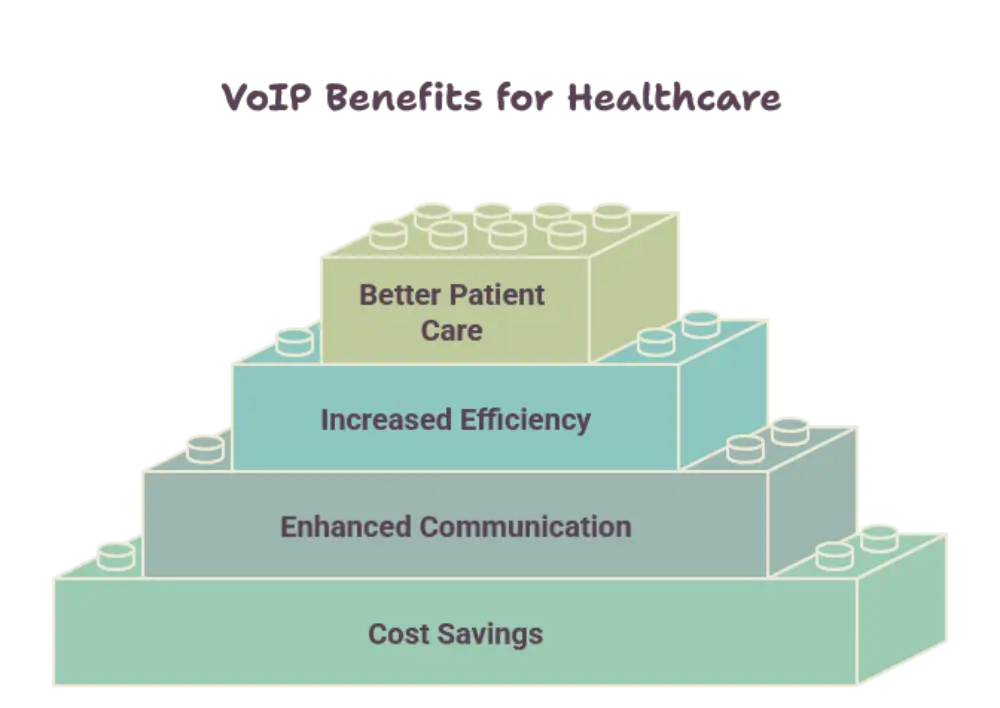
VoIP is not just about making calls online. It offers a range of benefits tailored to the unique needs of healthcare organizations.
Better Call Quality and Reliability
Modern VoIP platforms are designed to deliver clear, stable call quality even during high call volumes. This is especially important for healthcare settings where miscommunication can affect patient outcomes.
Scalability for Growing Practices
As healthcare organizations expand, adding new phone lines through traditional systems can be slow and complicated. VoIP allows new users, departments, or locations to be added quickly without major infrastructure changes.
Integration With Healthcare Software
Many VoIP providers integrate directly with electronic health record systems and practice management software. This allows staff to view patient information during calls, log conversations automatically, and reduce manual data entry.
VoIP and HIPAA Compliance
One of the biggest concerns healthcare organizations have when adopting new communication tools is compliance. VoIP systems built for healthcare are designed with security features that support HIPAA requirements.
Encrypted Communication
VoIP platforms designed for medical use often include encryption for calls and voicemails. This helps protect sensitive patient information from unauthorized access.
Secure Data Storage
Call logs, recordings, and voicemail transcriptions can be stored securely, giving healthcare organizations better control over how patient related communication is managed and retained.
Access Controls and Permissions
Administrators can set permissions so that only authorized staff members can access certain call records or patient communication history. This adds another layer of protection for sensitive data.
Features That Make VoIP Ideal for Healthcare
Not all VoIP systems are built the same. Healthcare organizations benefit most from platforms that include features specifically useful in medical environments.
Automated Appointment Reminders
VoIP systems can support automated reminder calls or messages, helping reduce missed appointments and improving overall clinic efficiency.
Multi Location Call Routing
Hospitals and healthcare networks with multiple locations can use VoIP to route calls intelligently, ensuring patients reach the right department without unnecessary transfers.
Voicemail to Text and Call Transcription
These features help staff quickly review missed calls and patient requests without needing to listen to lengthy voicemails, saving valuable time during busy shifts.
Mobile Accessibility
Doctors and on call staff can receive important calls directly on their mobile devices through secure VoIP apps, ensuring they remain reachable even outside the office.
How VoIP Improves Daily Operations in Healthcare Settings
Beyond compliance and communication, VoIP simplifies daily workflows for healthcare staff.
Reducing Administrative Burden
Front desk teams often manage a high volume of calls related to scheduling, prescription refills, and general inquiries. VoIP tools like call queues and automated attendants help distribute this workload more efficiently.
Enhancing Team Collaboration
VoIP platforms often include internal messaging, conferencing, and call transfer features that make it easier for care teams to collaborate quickly, especially during urgent situations.
Supporting Telehealth Expansion
As telehealth continues to grow, VoIP systems provide the communication infrastructure needed to support virtual visits, follow up calls, and patient check ins without requiring separate tools.
Choosing the Right VoIP Solution for Your Healthcare Organization
When evaluating a VoIP system, healthcare organizations should look for reliability, security features, and integration capabilities that align with their existing workflows. The right solution should feel like a natural extension of daily operations rather than an added complexity.
Look for systems that offer strong customer support, clear compliance documentation, and flexibility to grow alongside your organization. A well chosen VoIP platform can significantly improve both patient experience and internal efficiency.
Conclusion
VoIP for healthcare is transforming how medical organizations communicate internally and with patients. From improved call quality to stronger compliance support, VoIP offers practical advantages that traditional phone systems simply cannot match. As healthcare continues to evolve toward more connected and remote friendly models, VoIP will remain a critical part of delivering efficient, secure, and patient centered communication.
Frequently Asked Questions
What is VoIP for healthcare?
VoIP for healthcare refers to internet based phone systems designed to help medical organizations manage patient calls, internal communication, and administrative tasks more efficiently.
Is VoIP secure enough for healthcare communication?
Yes, many VoIP platforms include encryption, secure data storage, and access controls that support HIPAA compliant communication practices.
Can VoIP integrate with electronic health record systems?
Many VoIP providers offer integrations with EHR and practice management software, allowing staff to access patient information during calls.
How does VoIP help reduce missed appointments?
VoIP systems often support automated appointment reminders through calls or messages, helping patients stay informed and reducing no shows.
Can VoIP support telehealth services?
Yes, VoIP provides the communication infrastructure needed for virtual visits, follow up calls, and remote patient check ins.














Post Comment