
VoIP Security Best Practices: Protecting Your Business Communication
VoIP Security Best Practices are no longer optional for businesses that rely on internet based calling systems. As more companies move away from traditional phone lines, voice traffic now travels across the same networks as emails, files, and sensitive data. This shift brings flexibility and scalability, but it also opens the door to hacking attempts, eavesdropping, and fraud. Understanding and applying strong security measures ensures that your calls, customer data, and internal communication remain protected around the clock.
Why VoIP Security Matters Today
Voice over Internet Protocol systems convert calls into data packets that move through the same channels as your regular internet traffic. This means any weakness in your network can become an entry point for attackers. Common threats include call interception, denial of service attacks, phishing through voicemail systems, and unauthorized access to communication platforms.
A single breach can expose confidential business conversations, customer information, and even financial details. This is why every organization using VoIP, whether small or large, needs a clear security strategy in place.
Common VoIP Vulnerabilities
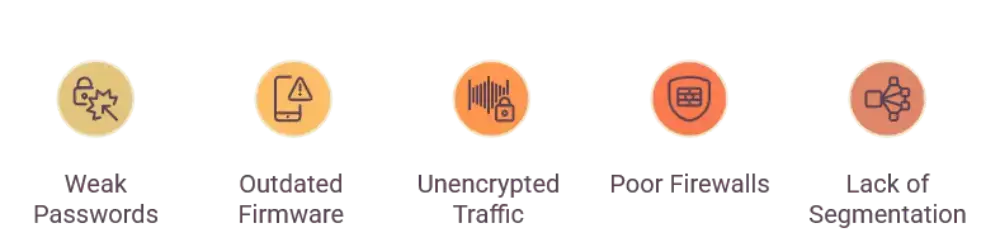
Several weaknesses tend to appear across VoIP deployments, including:
- Weak or reused passwords on VoIP accounts
- Outdated firmware on VoIP phones and routers
- Unencrypted voice traffic
- Poorly configured firewalls
- Lack of network segmentation
Recognizing these gaps is the first step toward building a secure communication environment.
Core VoIP Security Best Practices
Implementing the right combination of technical and administrative controls significantly reduces risk. Below are the most effective practices every organization should adopt.
Use Strong Authentication
Every VoIP account, extension, and administrative portal should require a unique and complex password. Avoid default credentials that come with VoIP hardware or software, since these are often published online and easily exploited. Wherever possible, enable multi factor authentication for administrative access to add an extra layer of protection.
Encrypt Voice Traffic
Encryption is one of the most important VoIP Security Best Practices because it protects conversations from being intercepted or recorded by unauthorized parties. Protocols such as Secure Real Time Transport Protocol and Transport Layer Security should be enabled to encrypt both signaling and media streams. This ensures that even if traffic is intercepted, the content remains unreadable.
Keep Systems Updated
VoIP providers regularly release firmware and software updates that patch known vulnerabilities. Delaying these updates leaves systems exposed to attacks that have already been identified and fixed by manufacturers. Set a routine schedule to check for and apply updates across all VoIP devices, servers, and applications.
Segment Your Network
Placing VoIP traffic on a separate virtual local area network keeps voice communication isolated from general data traffic. This limits the damage an attacker can cause if they manage to breach one part of the network. Network segmentation also improves call quality by reducing congestion from unrelated traffic.
Deploy Firewalls and Session Border Controllers
A properly configured firewall filters unwanted traffic before it reaches your VoIP infrastructure. Session Border Controllers add another layer of protection by managing and securing the signaling and media streams that flow between networks. Together, they help block malicious traffic while allowing legitimate calls to pass through smoothly.
Monitor Call Activity
Continuous monitoring allows administrators to spot unusual patterns such as calls placed at odd hours, sudden spikes in call volume, or connections from unfamiliar locations. Setting up alerts for suspicious activity helps catch potential fraud or intrusion attempts before they escalate into larger problems.
Administrative and Policy Level Protections
Technical tools alone cannot guarantee complete security. Administrative policies play an equally important role in maintaining a safe VoIP environment.
Limit User Permissions
Not every employee needs access to advanced call routing features or administrative settings. Restricting permissions based on job roles reduces the number of people who could accidentally or intentionally cause a security incident.
Train Employees on Security Awareness
Human error remains one of the leading causes of security breaches. Regular training sessions help employees recognize phishing attempts, avoid sharing credentials, and understand the importance of reporting suspicious activity immediately.
Establish a Clear Incident Response Plan
Having a documented plan for responding to security incidents ensures that your team can act quickly and effectively during an actual breach. This plan should outline who to contact, how to isolate affected systems, and how to communicate with stakeholders during the recovery process.
Choosing a Secure VoIP Provider
Selecting a provider that prioritizes security can make a significant difference in your overall protection. Look for providers that offer encrypted calling by default, transparent security certifications, and regular third party audits of their infrastructure.
Questions to Ask Potential Providers
Before committing to a provider, consider asking about their encryption standards, data storage practices, compliance certifications, and how frequently they update their systems against emerging threats. A transparent provider will be able to answer these questions clearly and confidently.
Building a Long Term VoIP Security Strategy
Security is not a one time setup but an ongoing process. Regular audits, continuous employee training, and staying updated on emerging threats all contribute to a resilient communication system. Businesses that treat VoIP security as a continuous priority rather than a single project tend to experience fewer disruptions and maintain stronger trust with their clients and partners.
Conclusion
VoIP Security Best Practices form the foundation of a safe and reliable business communication system. From encrypting voice traffic and segmenting networks to training employees and choosing a trustworthy provider, every layer of protection adds resilience against modern threats. As cyber threats continue to evolve, businesses that stay proactive about VoIP security will be better positioned to protect their data, their reputation, and the trust of their customers.
FAQs
What is VoIP security?
VoIP security refers to the practices and tools used to protect internet based phone systems from hacking, eavesdropping, and fraud.
Why is encryption important for VoIP calls?
Encryption scrambles voice data so that even if intercepted, the conversation cannot be understood by unauthorized parties.
Can VoIP systems be hacked?
Yes, VoIP systems can be hacked through weak passwords, outdated software, or unsecured networks if proper precautions are not taken.
How often should VoIP software be updated?
VoIP software and firmware should be updated as soon as new patches are released to close known security gaps.
What is network segmentation in VoIP security?
Network segmentation separates voice traffic from regular data traffic, reducing the risk of a full network breach if one segment is compromised.














Post Comment