
Preventing VoIP Fraud: Techniques to Safeguard Your Business
You’re running a business, and you’ve embraced the convenience and cost-effectiveness of Voice over Internet Protocol (VoIP) for your communication needs. Whether it’s connecting with clients, coordinating with remote teams, or handling customer service, your VoIP system is a vital artery for your operations. But as with any powerful technology, especially one that traverses the interconnected landscape of the internet, VoIP is not immune to the growing threat of fraud. Ignoring VoIP fraud can lead to substantial financial losses, reputational damage, and disruptions to your critical business functions. It’s time to equip yourself with the knowledge and strategies to safeguard your business.
Understanding the Landscape of VoIP Fraud
Before you can effectively prevent VoIP fraud, you need to understand the enemy. VoIP fraud encompasses a range of illicit activities designed to exploit vulnerabilities in your communication systems for financial gain. These schemes are often sophisticated, constantly evolving, and can be difficult to detect if you’re not actively looking for them. The primary motivation behind most VoIP fraud is monetary, whether it’s through unauthorized calls, stolen call minutes, or cleverly disguised scams targeting your employees.
Common VoIP Fraud Scenarios
As a business owner, you need to be aware of the specific tactics fraudsters employ. These are not hypothetical threats; they are real and actively impacting businesses of all sizes.
Subscription Fraud
This is perhaps one of the most straightforward yet damaging forms of VoIP fraud. Fraudsters might gain unauthorized access to your VoIP account and rack up exorbitant calling charges, often to premium-rate numbers or international destinations known for high tariffs. They then disappear, leaving you with the hefty bill. This can happen through compromised credentials or exploiting weak security on your system.
IRS and Callback Fraud
These schemes often involve an element of social engineering.
- IRS Fraud: This refers to calls impersonating tax authorities, demanding immediate payment of fictitious taxes and threatening legal action. While not directly defrauding your VoIP system, fraudsters use sophisticated calling methods to reach targets and leverage the perception of authority, often employing techniques that can be linked back to compromised VoIP infrastructure.
- Callback Fraud: In this scenario, fraudsters generate a massive number of calls to a target system. The calls are short, often just a ring or two, designed to entice the recipient to call back. When the recipient calls back, they are routed to premium-rate numbers or international destinations, accruing significant charges for the victim.
VoPPhishing and Social Engineering
Phishing, traditionally associated with email, has a VoIP counterpart.
- VoPPhishing: This involves fraudsters calling your employees, pretending to be legitimate entities (e.g., your IT department, a bank, or a vendor), and trying to trick them into revealing sensitive information like account passwords, credit card details, or internal system access. The goal is to gain access to your VoIP system or other sensitive data.
- MITM (Man-in-the-Middle) Attacks: While less common for direct financial fraud on VoIP itself, a Man-in-the-Middle attack can intercept and potentially alter communication. In a VoIP context, this could mean redirecting calls, eavesdropping on sensitive conversations, or even injecting fraudulent audio into a call if the encryption is weak.
Interception and Call Rerouting
Fraudsters might find ways to intercept your outgoing calls and reroute them to their own premium-rate numbers or call centers. This is akin to a digital hijacking of your phone lines, where your legitimate calls are being used to generate revenue for someone else. This can involve exploiting security flaws in your VoIP provider or your internal network.
Account Takeover (ATO)
This is the overarching risk that enables many of the above threats. If a fraudster gains access to your administrator account or an employee’s individual extension with elevated privileges, they can manipulate settings, initiate fraudulent calls, or even create new fraudulent accounts linked to your service.
Implementing Robust Security Measures for Your VoIP System
Now that you understand the threats, let’s focus on building your defenses. Protecting your VoIP system requires a multi-layered approach, combining technological safeguards with employee training and proactive monitoring. Think of it as building a digital fortress around your communication channels.
Technical Safeguards: The Foundation of Your Defense
Your VoIP provider offers some inherent security features, but you also control significant aspects of your internal network and user access.
Strong Passwords and Multi-Factor Authentication (MFA)
This is non-negotiable. Weak passwords are like leaving your front door unlocked.
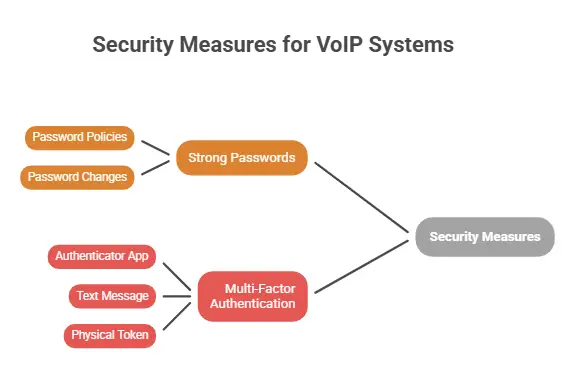
- Password Policies: Enforce strong password policies for all user accounts, administrator accounts, and any devices connected to your VoIP system. This means mandating a mix of uppercase and lowercase letters, numbers, and symbols, and regularly encouraging or forcing password changes.
- Multi-Factor Authentication (MFA): Implement MFA wherever possible. This requires users to provide more than one form of verification to log in – typically something they know (password) and something they have (a code from an authenticator app, a text message, or a physical token). This significantly reduces the risk of unauthorized access even if credentials are compromised.
Network Security and Firewalls
Your network is the gateway to your VoIP system.
- VoIP-Specific Firewall Rules: Ensure your firewall is configured to allow only necessary VoIP traffic (SIP, RTP) and block all other unsolicited inbound and outbound connections. Restrict access to your VoIP servers and PBX from specific IP addresses if possible.
- VPN for Remote Access: If your employees frequently access your VoIP system or internal network remotely, mandate the use of a Virtual Private Network (VPN). This encrypts their connection and makes it far more difficult for attackers to intercept traffic or gain unauthorized access to your internal network, which could then lead to VoIP compromise.
Encryption for Calls and Data
Confidentiality is paramount.
- SRTP (Secure Real-time Transport Protocol): Ensure your VoIP system supports and is configured to use SRTP for encrypting audio streams. This prevents eavesdropping on your calls.
- TLS (Transport Layer Security) for Signaling: Use TLS to encrypt signaling protocols like SIP. This protects the metadata of your calls, such as who is calling whom and when, from being intercepted and analyzed.
Regular Software Updates and Patching
Like any software, VoIP systems and their associated hardware have vulnerabilities discovered over time.
- Proactive Patching: Keep all VoIP software, firmware on phones, and PBX systems updated with the latest security patches. Outdated software is a common entry point for attackers.
- Scheduled Maintenance: Establish a schedule for checking and applying updates. Don’t postpone them, as a single unpatched vulnerability can be devastating.
Call Detail Record (CDR) Analysis and Monitoring
This is your early warning system.
- Regular Review: Implement a system for regularly reviewing your Call Detail Records (CDRs). Look for unusual patterns, such as:
- Excessive calls to premium-rate or international numbers.
- Calls made at unusual times of the day or night.
- Unusually long call durations.
- A sudden spike in call volume.
- Automated Alerts: If your VoIP system or provider offers it, set up automated alerts for suspicious call patterns.
Empowering Your Employees: The Human Firewall
Technology can only do so much. Your employees are often the first line of defense against social engineering tactics. Educating them is crucial.
Fostering a Security-Aware Culture
Your company’s attitude towards security is contagious.
Comprehensive Security Awareness Training
This shouldn’t be a one-off event.
- Regular Training Sessions: Conduct regular training sessions that specifically address VoIP fraud. Cover the common scams, how to identify suspicious calls, and what actions to take.
- Phishing Simulations: Conduct periodic phishing simulations (both email and voice-based) to test your employees’ awareness and identify areas where further training is needed.
Clear Reporting Procedures for Suspicious Activity
Employees need to know who to tell and how to report potential fraud without fear of repercussion.
- Designated Point Person: Assign a specific person or department (e.g., IT, security manager) as the point of contact for reporting suspicious calls or activities.
- Easy Reporting Mechanism: Make it easy for employees to report suspicions, whether it’s a dedicated email address, a phone number, or an internal ticketing system. Promptly investigate all reports.
Guidelines for Handling Unknown or Suspicious Callers
Equip your employees with clear protocols.
- Never Share Sensitive Information: Emphasize that employees should never share login credentials, financial information, or proprietary company data with unsolicited callers.
- Verify Caller Identity: Train employees to verify the identity of callers, especially those claiming to be from internal departments or external organizations, by using a known contact number instead of one provided by the caller.
- Don’t Engage with Suspicious Calls: If a call seems suspicious or the caller is aggressive or demanding, employees should be empowered to politely end the call and report it. Encourage them not to engage in lengthy conversations or provide any information.
Specific Training Modules for VoIP Fraud
Tailor your training to the unique risks of VoIP.
Recognizing Spoofed Numbers
Explain that caller ID can be faked.
- The Illusion of Caller ID: Educate employees that caller ID is not foolproof and can be easily spoofed. A familiar or official-sounding number doesn’t guarantee legitimacy.
- Red Flags: Teach them to look for inconsistencies, such as a number that looks plausible but is slightly off, or a well-known company calling from an unexpected area code.
The Danger of Premium-Rate Numbers
These are often the endgame for fraudsters.
- Understanding High-Cost Destinations: Explain what premium-rate numbers are and the significant costs associated with calling them.
- Identifying Suspicious Rate Increases: Train employees to be aware of any unusual charges that appear on their call logs, as this could indicate unauthorized calls to such numbers.
Proactive Monitoring and Incident Response
Prevention is ideal, but it’s crucial to have a plan in place for when something does go wrong.
Continuous Vigilance: Your Active Defense
Don’t just set and forget your security measures.
Regular Security Audits
Periodic checks are essential.
- Internal Audits: Conduct regular internal audits of your VoIP system’s configurations, user access logs, and call records to identify any deviations from expected behavior.
- External Audits (Optional but Recommended): Consider engaging external security professionals for a comprehensive audit of your VoIP infrastructure to identify vulnerabilities you might have missed.
Leveraging Your VoIP Provider’s Security Tools
Your provider is a partner in your security.
- Utilize Anomaly Detection: Many VoIP providers offer tools that can automatically detect unusual call patterns or potential fraud. Ensure you are aware of and utilize these features.
- Fraud Prevention Services: Inquire about any specific fraud prevention services or alerts your provider offers, such as real-time monitoring for suspicious activity or blocking of known fraudulent numbers.
Establishing Rate Limits and Spending Caps
A financial safety net.
- Configure Limits: Work with your VoIP provider to set daily or monthly spending caps on international calls, premium-rate calls, or overall usage per extension. This can limit the financial damage if an account is compromised.
- Alert Triggers: Configure these limits to trigger alerts when they are approached, giving you an opportunity to investigate before significant losses occur.
Responding to a Fraudulent Incident
When an incident occurs, speed and efficiency are key.
Developing an Incident Response Plan
Don’t wait for a crisis to figure out what to do.
- Documented Procedures: Create a clear, step-by-step incident response plan specifically for VoIP fraud. This plan should outline roles and responsibilities, communication protocols, and escalation procedures.
- Contact Information: Ensure the plan includes contact information for your VoIP provider’s support and security teams, as well as any relevant law enforcement agencies.
Immediate Actions to Contain the Damage
When fraud is detected, act fast.
- Isolate Affected Accounts/Extensions: Immediately disable or suspend any accounts, extensions, or devices suspected of being involved in fraudulent activity.
- Contact Your VoIP Provider: Inform your VoIP provider immediately. They can help investigate, block fraudulent traffic, and may have tools to mitigate further damage.
- Secure Credentials: If account takeover is suspected, force immediate password resets for all affected accounts and any accounts that share similar credentials.
Post-Incident Analysis and Recovery
Learn from the experience and rebuild.
- Investigate the Root Cause: Conduct a thorough investigation to understand how the fraud occurred (e.g., compromised password, exploited vulnerability, social engineering success).
- Implement Corrective Measures: Based on the investigation, implement necessary changes to your security policies, technical configurations, or employee training to prevent recurrence.
- Communicate with Stakeholders: Inform relevant internal stakeholders about the incident, the steps taken, and the measures being implemented to prevent future occurrences.
Choosing a Secure VoIP Provider
While you’re responsible for much of your internal security, your VoIP provider plays a significant role in the overall security posture of your communication system.
Partnering for Protection
Make informed choices about who you work with.
Vetting Potential Providers
Don’t just shop around for the lowest price.
- Security Certifications and Compliance: Look for providers who hold relevant security certifications (e.g., ISO 27001) and comply with industry regulations. This indicates a commitment to robust security practices.
- Features and Tools: Inquire about their built-in security features, such as fraud detection, anomaly monitoring, encryption capabilities, and their overall approach to security.
Understanding Provider Responsibilities
Know where their responsibility ends and yours begins.
- Service Level Agreements (SLAs): Review the SLA carefully to understand the provider’s responsibilities regarding security, uptime, and incident response.
- Support and Collaboration: Ensure the provider offers reliable support and is willing to collaborate with you in the event of a security incident. A responsive provider who treats security as a shared responsibility is invaluable.
Transparency in Security Practices
A good provider will be open about their security.
- Documentation: Ask for documentation on their security policies, data handling procedures, and disaster recovery plans.
- Proactive Communication: A reputable provider will proactively communicate any potential vulnerabilities or security threats that could impact your service.
By proactively implementing these techniques, you can significantly reduce the risk of becoming a victim of VoIP fraud. Safeguarding your business requires a sustained effort, combining robust technical infrastructure, vigilant monitoring, and a well-informed workforce. Don’t let the convenience of VoIP be overshadowed by the threat of fraud; take control of your communication security today.
FAQs
What is VoIP fraud?
VoIP fraud refers to the unauthorized use of a VoIP service to make expensive long-distance or international calls, often resulting in financial losses for the service provider or the customer.
What are some common VoIP fraud techniques?
Common VoIP fraud techniques include call pumping, where fraudsters generate a large volume of calls to premium rate numbers, and identity theft, where fraudsters use stolen credentials to make unauthorized calls.
How can businesses prevent VoIP fraud?
Businesses can prevent VoIP fraud by implementing strong authentication measures, monitoring call patterns for unusual activity, and using fraud detection tools to identify and block suspicious calls.
What are some best practices for VoIP fraud prevention?
Best practices for VoIP fraud prevention include regularly updating security protocols, educating employees about the risks of VoIP fraud, and implementing call barring for high-risk destinations.
What are the potential consequences of VoIP fraud for businesses?
The potential consequences of VoIP fraud for businesses include financial losses, damage to reputation, and legal liabilities. It can also disrupt business operations and lead to customer dissatisfaction.














Post Comment