
Business Phone System Cost: What Every Business Owner Should Know
Business phone system cost is one of the first things companies research when they decide to upgrade their communication setup. Whether you run a small office or a growing enterprise, understanding what influences the overall investment helps you make a smarter, more informed decision. Instead of focusing on numbers alone, this guide breaks down the key elements that shape a phone system’s value and functionality.
What Is a Business Phone System
A business phone system is a communication setup that allows a company to manage calls, messages, and often video conferencing through a centralized platform. These systems have evolved far beyond traditional desk phones and now include cloud based tools, mobile apps, and integrations with other business software.
Traditional vs Modern Systems
Older phone systems relied heavily on physical hardware and on site equipment. Modern systems, especially cloud based ones, shift much of that responsibility to a service provider. This shift changes how businesses plan, install, and maintain their communication tools.
Key Factors That Influence Business Phone System Cost
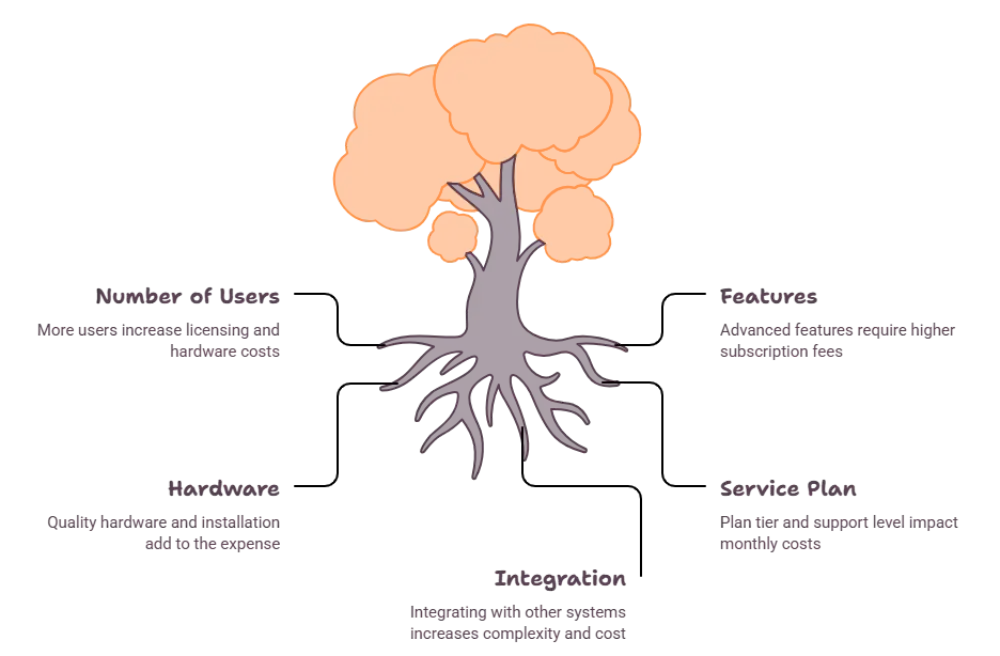
Several elements determine how a phone system is structured and what it ultimately delivers for your business. These factors matter more than the sticker price because they define long term usability and scalability.
Number of Users
The size of your team plays a major role. A system built for a handful of employees looks very different from one designed for a large, multi department organization. More users typically mean more licenses, more devices, and more configuration needs.
Type of Deployment
Businesses generally choose between cloud based systems and on premise systems. Cloud solutions are hosted by a provider and accessed through the internet, while on premise systems require physical servers and equipment installed at your location. Each option comes with different maintenance responsibilities and scalability potential.
Features and Functionality
Basic calling capabilities differ significantly from advanced features like auto attendants, call routing, voicemail transcription, video conferencing, and CRM integrations. The more advanced the feature set, the more planning and setup your system will require.
Hardware Requirements
Some businesses prefer physical desk phones, while others rely entirely on softphones and mobile apps. Hardware needs can add complexity to your setup, especially for companies with multiple office locations.
Scalability Needs
Growing businesses often need systems that can expand easily. Systems that support smooth scaling save time and reduce disruption as your team increases.
Cloud Based Phone Systems
Cloud based phone systems have become increasingly popular because they simplify infrastructure requirements. Instead of maintaining physical servers, businesses rely on a provider to manage the backend technology.
Benefits of Cloud Systems
Cloud systems offer flexibility for remote teams, easier updates, and simplified maintenance. They also tend to integrate smoothly with modern business tools like CRMs, helpdesk software, and messaging platforms.
Considerations Before Switching
Businesses should evaluate internet reliability, data security practices, and the provider’s uptime history before making the switch. A stable internet connection is essential for consistent call quality.
On Premise Phone Systems
On premise systems give businesses more direct control over their infrastructure. This option is often chosen by companies with specific security requirements or existing hardware investments.
Maintenance Responsibilities
Unlike cloud systems, on premise setups require internal IT support or a dedicated technician to manage updates, troubleshoot issues, and maintain hardware.
Best Fit for Certain Businesses
Companies with strict compliance needs or those operating in areas with unreliable internet access may find on premise systems more practical for their operations.
How Business Size Affects System Requirements
The right phone system depends heavily on how your company operates and how many people rely on it daily.
Small Businesses
Small teams often benefit from simple, user friendly systems that require minimal setup and offer essential communication features.
Growing Companies
As companies expand, they typically need more advanced call management tools, multiple extensions, and integrations that support collaboration across departments.
Large Organizations
Enterprises usually require highly customizable systems with advanced security, detailed analytics, and support for large scale call volumes.
Common Features That Add Value
Certain features consistently improve communication efficiency and are worth understanding before choosing a system.
Auto Attendant
This feature automatically directs callers to the right department or person, reducing wait times and improving customer experience.
Call Analytics
Analytics tools help businesses track call volume, response times, and overall communication performance.
Mobile App Access
Mobile compatibility allows employees to make and receive business calls from anywhere, which is especially useful for remote or hybrid teams.
Integration With Business Tools
Modern phone systems often connect with CRMs, helpdesk platforms, and scheduling tools, creating a more streamlined workflow.
Tips for Choosing the Right System
Selecting a phone system should be based on your business goals, communication habits, and future growth plans.
Assess Your Communication Needs
Consider how your team currently communicates and identify gaps that a new system could solve.
Prioritize Scalability
Choose a system that can grow alongside your business without requiring a complete overhaul later.
Evaluate Support and Reliability
Reliable customer support and consistent uptime are essential for smooth day to day operations.
Conclusion
Choosing the right business phone system involves more than just picking a provider. It requires understanding your team size, communication needs, deployment preferences, and the features that will genuinely improve your daily operations. By focusing on these factors, you can select a system that supports both your current workflow and future growth.
Frequently Asked Questions
What determines the cost of a business phone system?
The cost depends on factors like the number of users, deployment type, required features, and hardware needs.
Is a cloud based phone system better than an on premise system?
It depends on your business needs. Cloud systems offer flexibility and easier maintenance, while on premise systems provide more direct control.
Do small businesses need advanced phone system features?
Not always. Many small businesses do well with essential features and can add advanced tools as they grow.
Can a business phone system scale as my company grows?
Yes, most modern systems, especially cloud based ones, are designed to scale easily with your business.
What features improve customer communication the most?
Features like auto attendants, call routing, and analytics tend to significantly improve customer experience and internal efficiency.












Post Comment